PHOTO:
United nations GWA, Documentary, product
UN Goodwill ambassadors
Video Production & Portraits
Working with celebrities for various UN Agencies; shooting and editing Photo & Video work for global brand awareness and fundraising campaigns. Producing to under-24 hour turn around times on video and photo products.
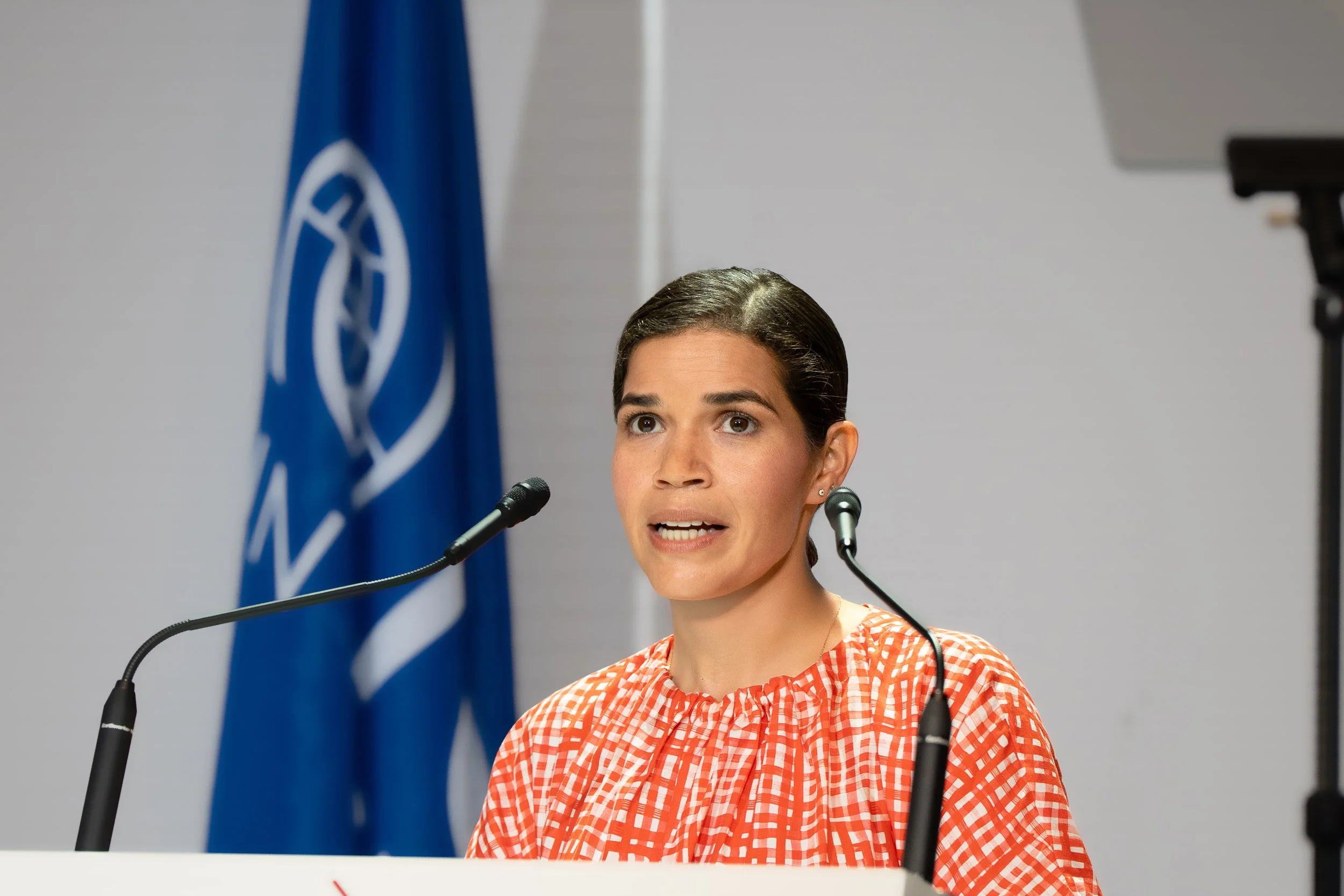
IOM Global Goodwill Ambassador, America Ferrera. Geneva
IOM Global Goodwill Ambassador, America Ferrera. United Nations General Assembly, USA
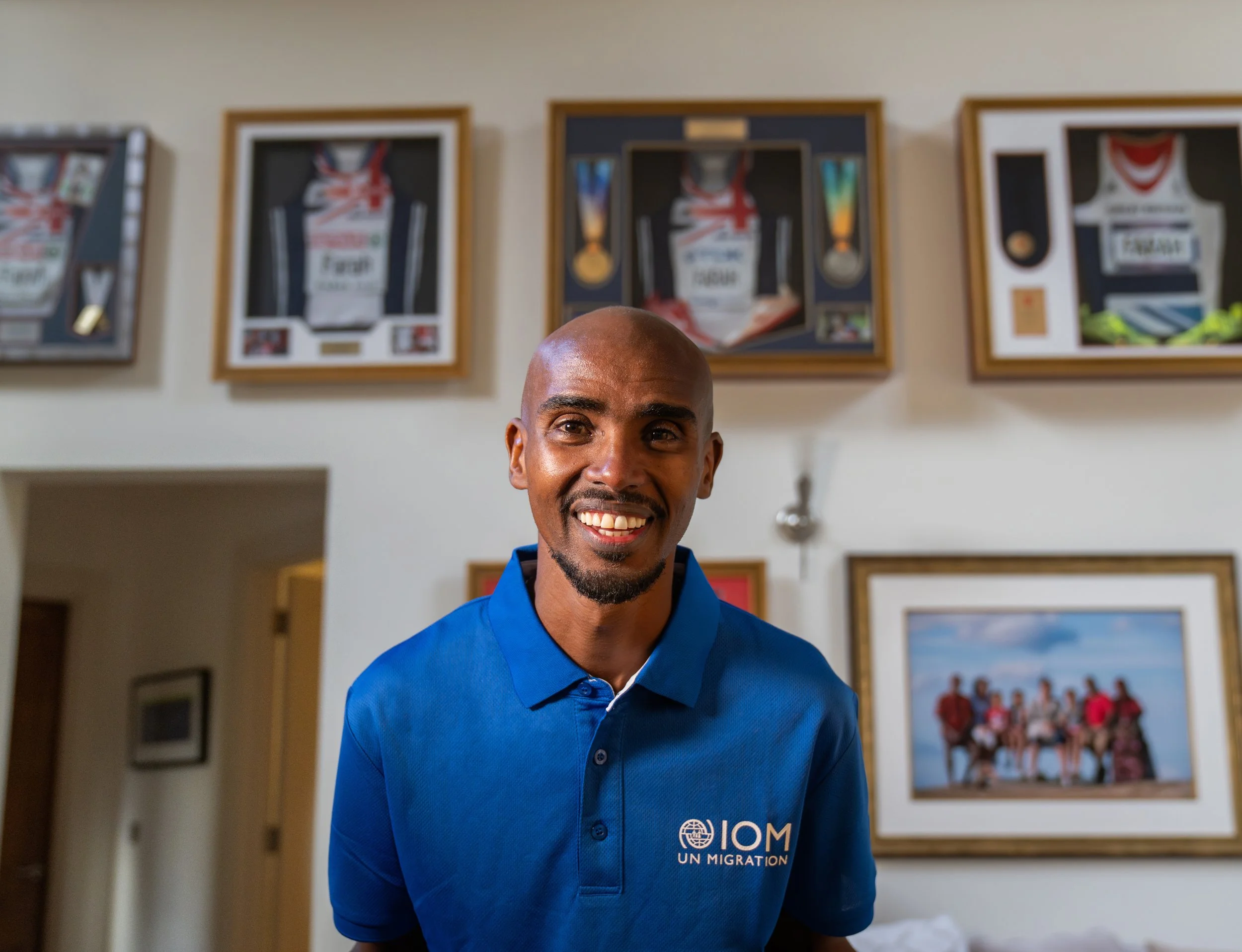
IOM Global Goodwill Ambassador, Mo Farah.
United Kingdom
IOM Global Goodwill Ambassador, Mo Farah.
Kenya
In Pictures:
Sudan
Documentary Photography and Portraiture
Since April 2023, conflict has swept across Sudan, unleashing the world’s largest displacement crisis. More than 11 million people have been forced from their homes inside the country, while over 3.5 million have crossed borders in search of safety.
In 2024, I joined IOM Director General Amy Pope on her first visit to Sudan, where we met families devastated not only by war but also by recent, severe flooding. Their stories revealed the double burden of violence and climate change; two forces converging to deepen human suffering.
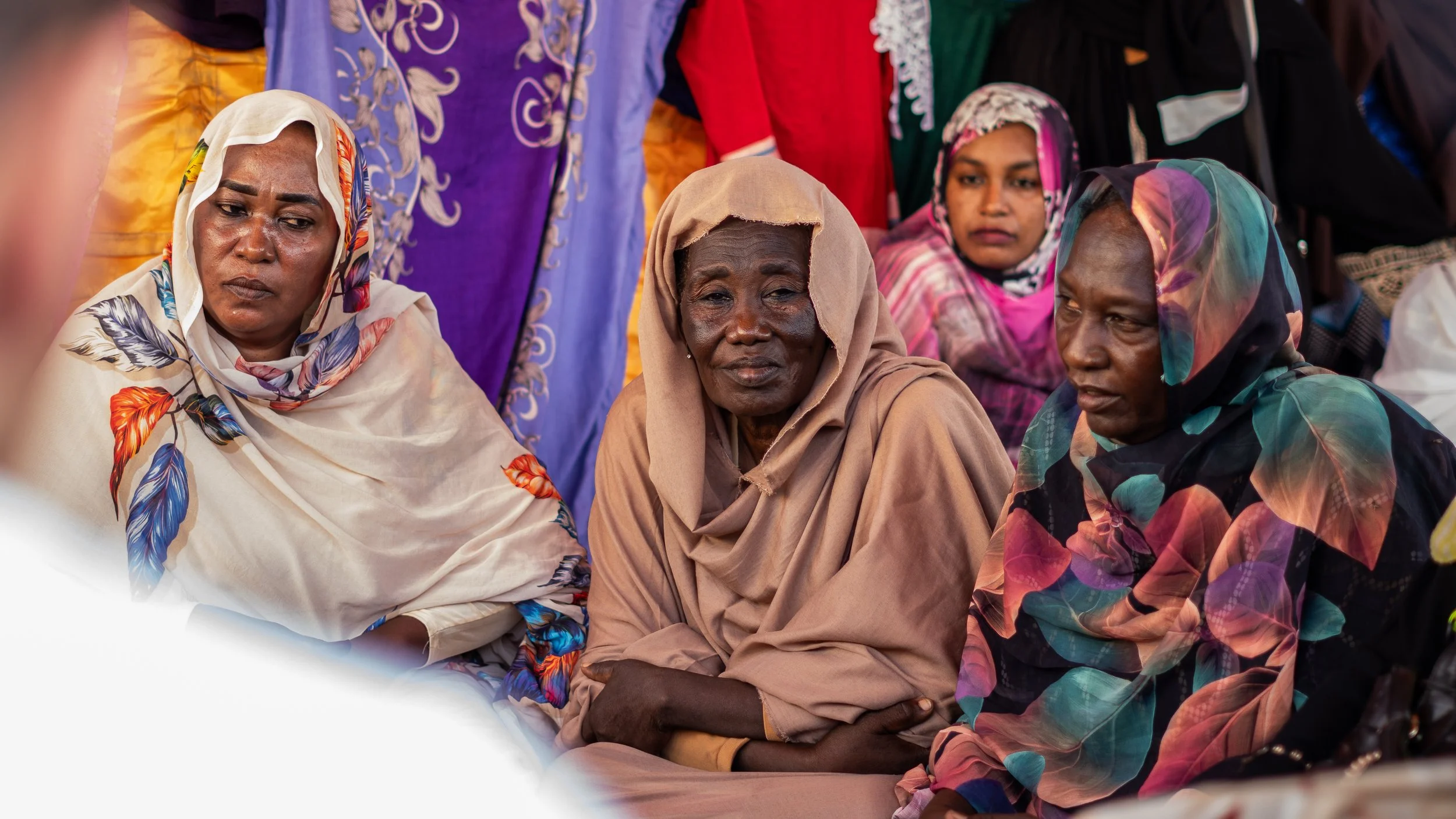
Etimad Fadl Al-Mawla Salman Ahmed, 55, from Khartoum sits with women at the Alhijrah site in Port Sudan. Many families fled from Khartoum and other areas in the south, seeking safe haven in northern Port Sudan, after conflict broke out in 2023. Established in mid-2023, the Alhijrah site in Port Sudan hosts families displaced by conflict, mainly from Khartoum and Aj Jazirah. Though relatively small, the camp highlights urgent humanitarian needs: water, shelter, healthcare, education, and livelihoods.
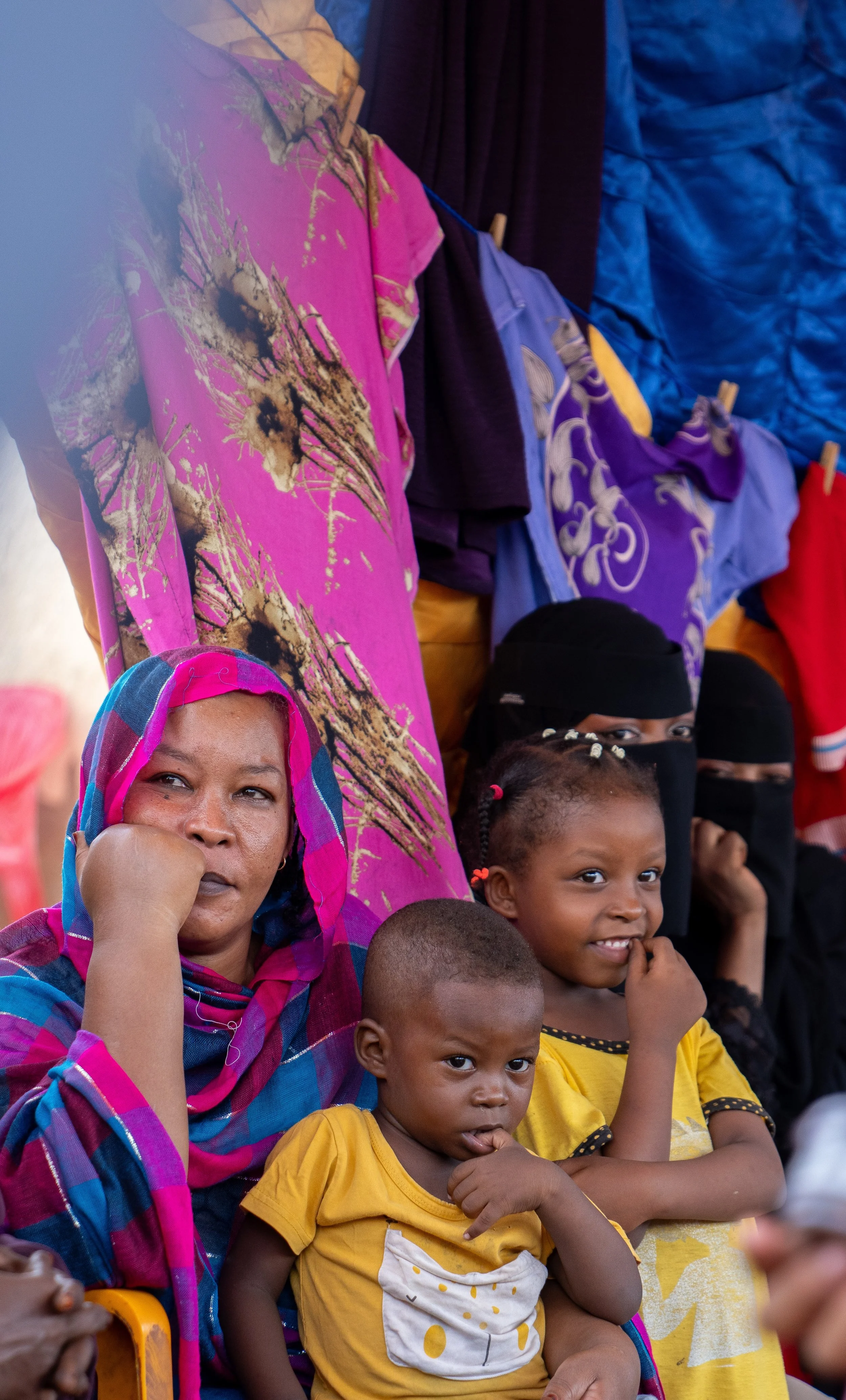
A mother and child from the south of Sudan fleeing the conflict taking refuge in Port Sudan at the Alhijrah site. Established in mid-2023, the Alhijrah site in Port Sudan hosts families displaced by conflict, mainly from Khartoum and Aj Jazirah. Though relatively small, the camp highlights urgent humanitarian needs: water, shelter, healthcare, education, and livelihoods.
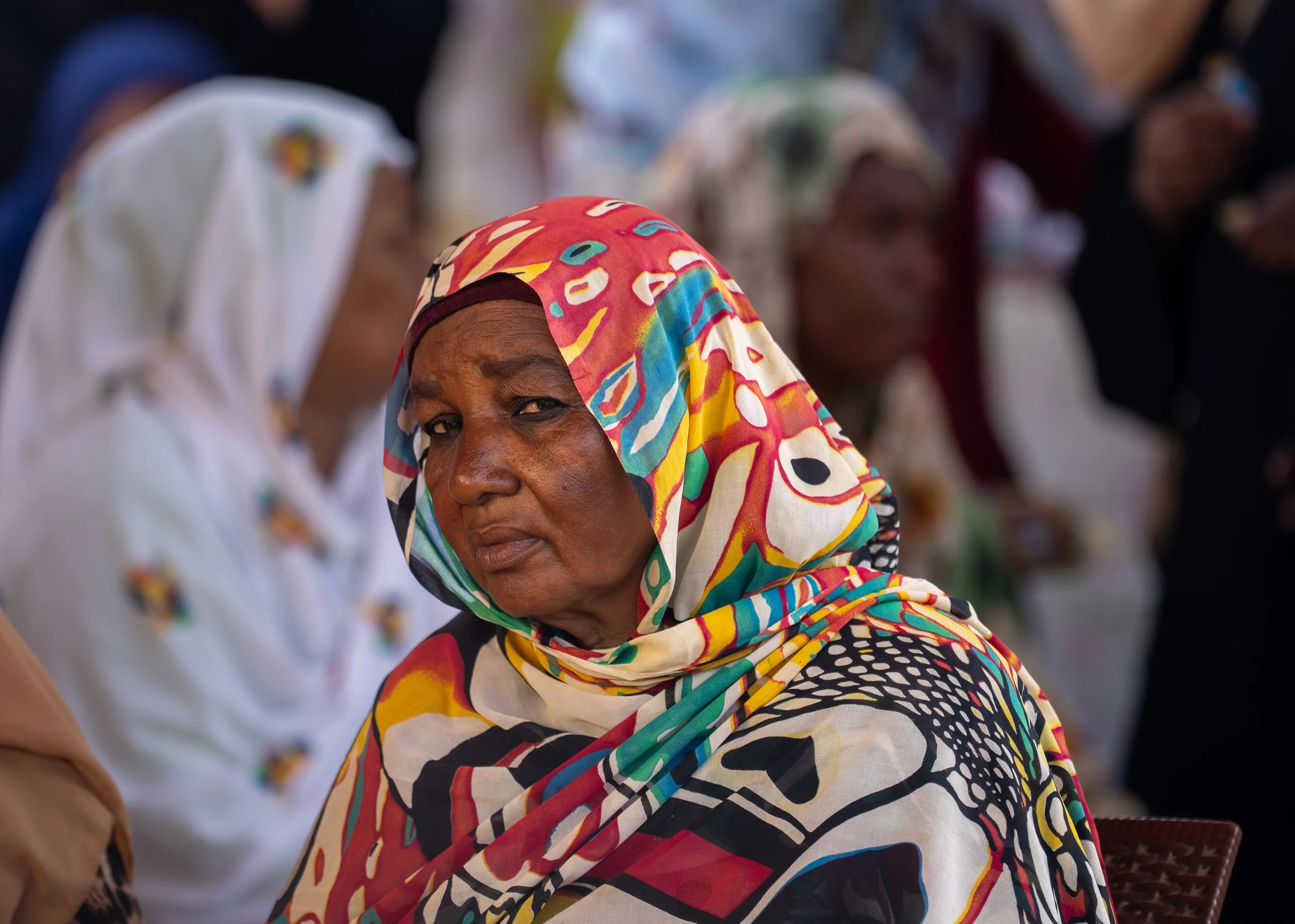
Portrait at the Alhijrah site. Established in mid-2023, the Alhijrah site in Port Sudan hosts families displaced by conflict, mainly from Khartoum and Aj Jazirah. Though relatively small, the camp highlights urgent humanitarian needs: water, shelter, healthcare, education, and livelihoods.
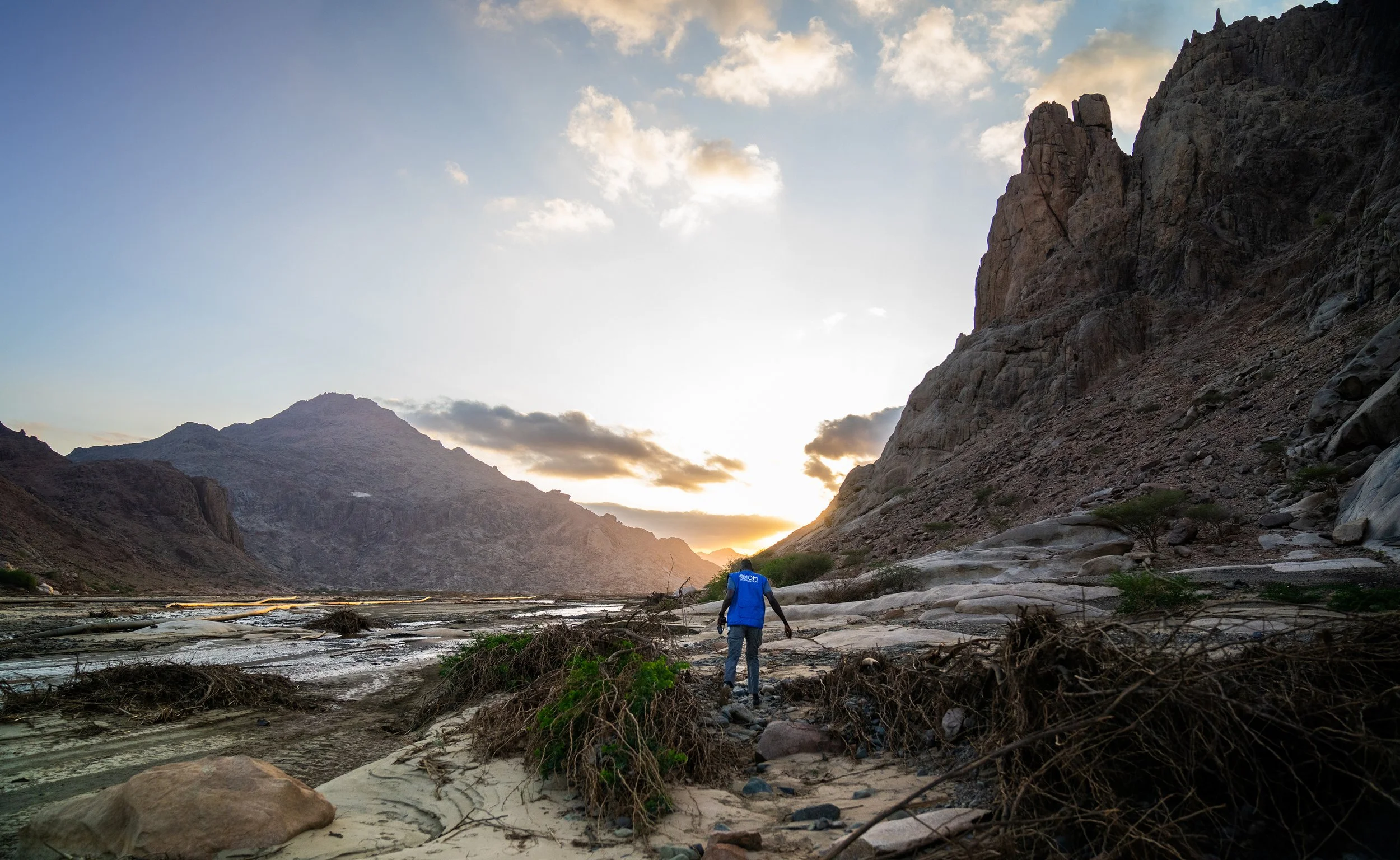
An IOM colleague walks on the riverbed where the Arba'at dam once stood. In August 2024, the collapse of the Arba’at dam spillway near Port Sudan unleashed deadly floods, killing at least 148 people and devastating homes, livestock, and vital infrastructure. Thousands were left stranded or displaced, with urgent needs for shelter, clean water, and sanitation
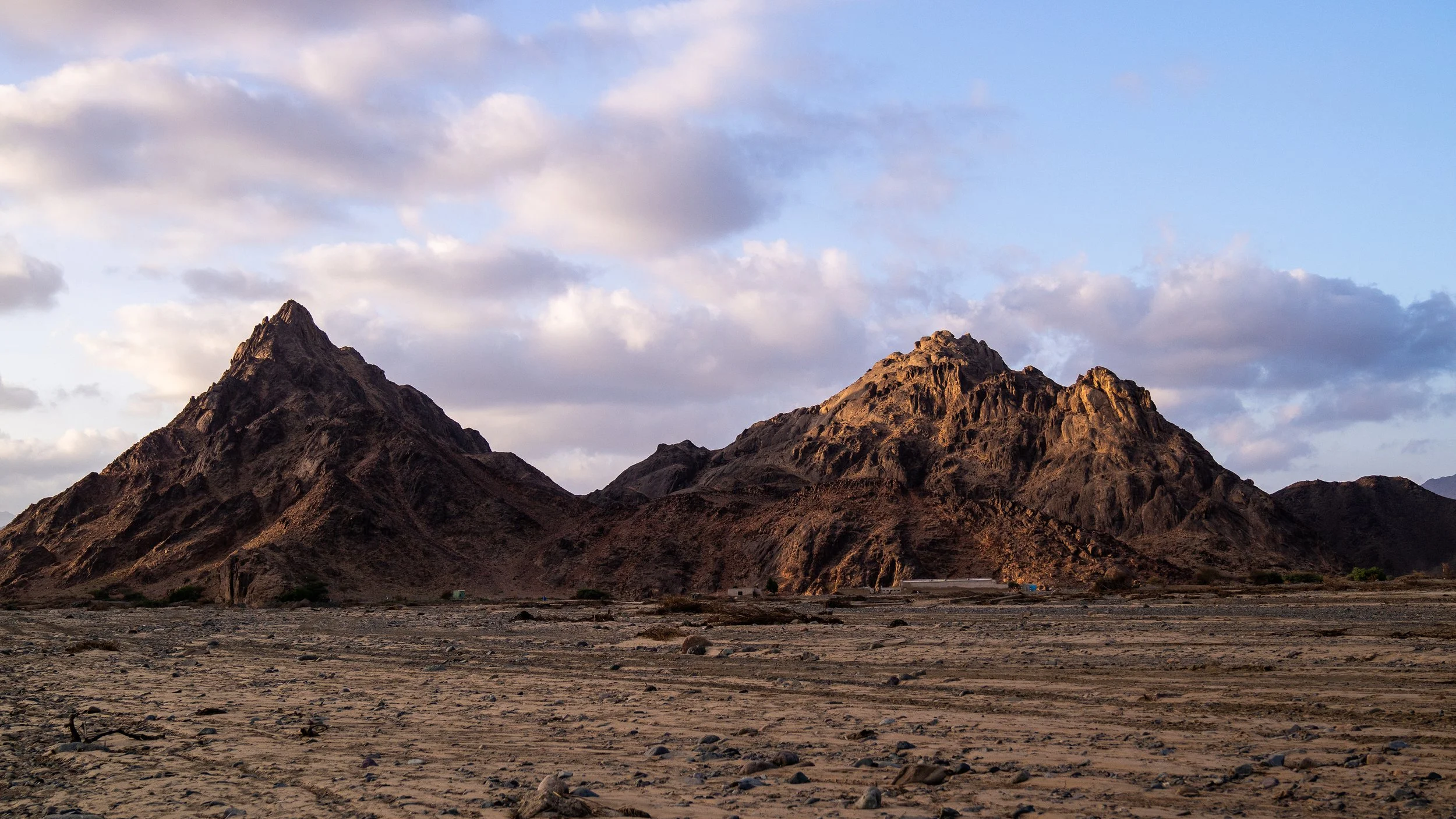
Mountains close to Arba'at dam; the ground has been deeply cracked by the spilling floodwater. In August 2024, the collapse of the Arba’at dam spillway near Port Sudan unleashed deadly floods, killing at least 148 people and devastating homes, livestock, and vital infrastructure. Thousands were left stranded or displaced, with urgent needs for shelter, clean water, and sanitation
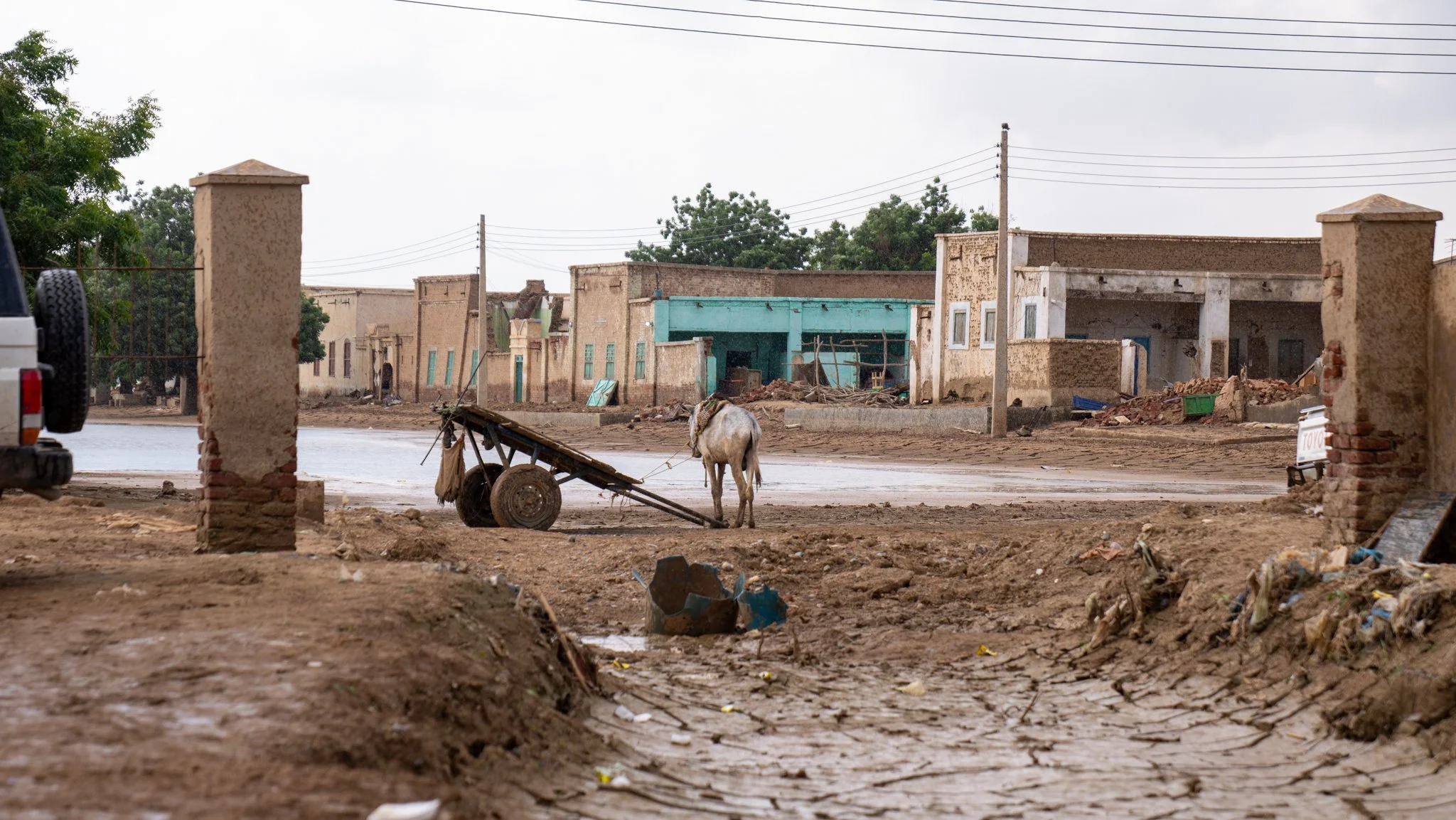
The aftermath of flooding in Tokar. On 25 August 2024, the collapse of Sudan’s Arba’at Dam unleashed catastrophic floods, destroying 20 villages in the Red Sea State, displacing thousands, and cutting off vital supply routes. The disaster deepened Sudan’s crisis—where conflict and climate change collide—leaving communities facing hunger, economic hardship, and disease
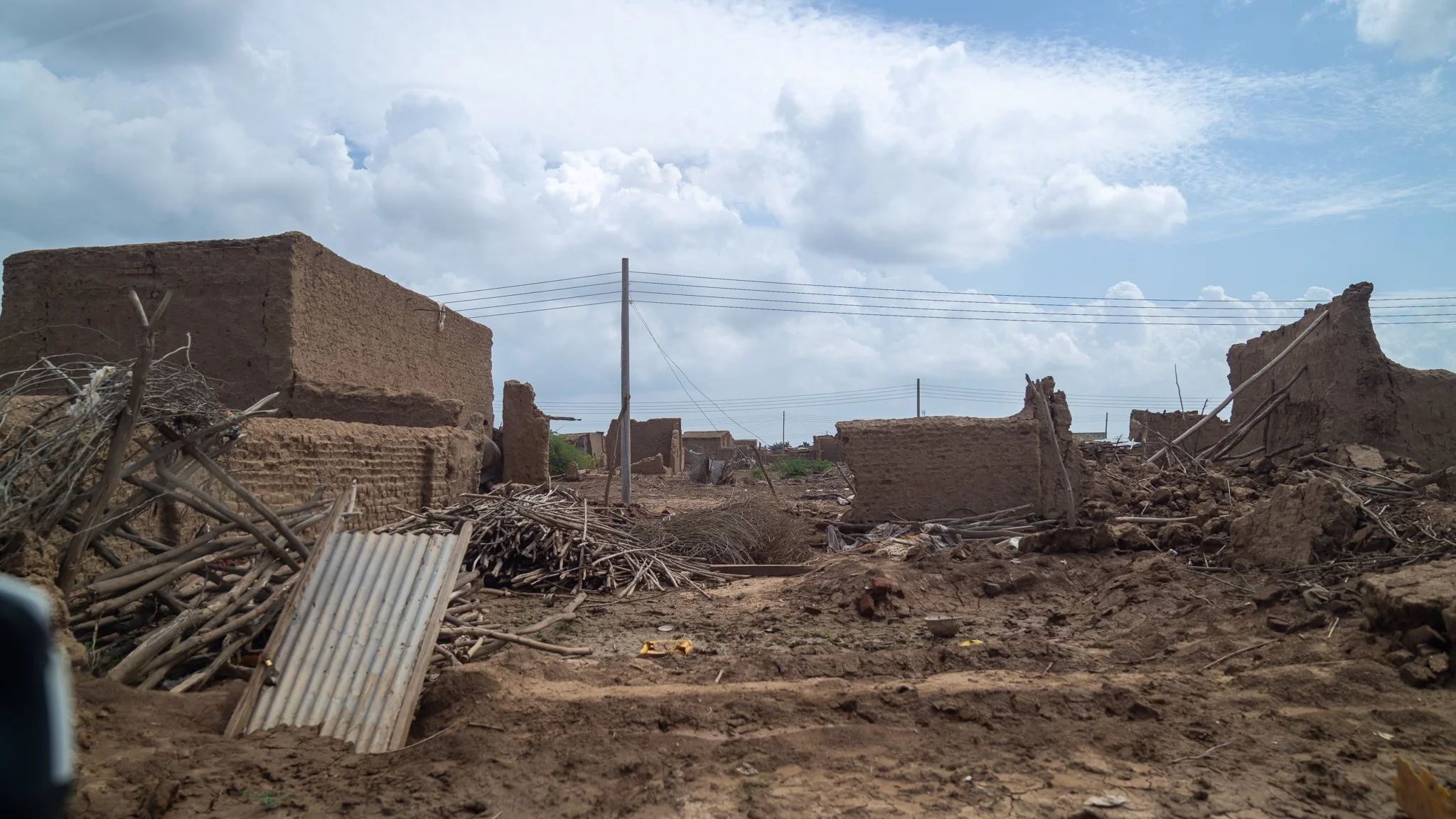
Floods raged through Tokar in August 2024, destroying buildings, sweeping away personal belongings and leaving debris. On 25 August 2024, the collapse of Sudan’s Arba’at Dam unleashed catastrophic floods, destroying 20 villages in the Red Sea State, displacing thousands, and cutting off vital supply routes. The disaster deepened Sudan’s crisis—where conflict and climate change collide—leaving communities facing hunger, economic hardship, and disease
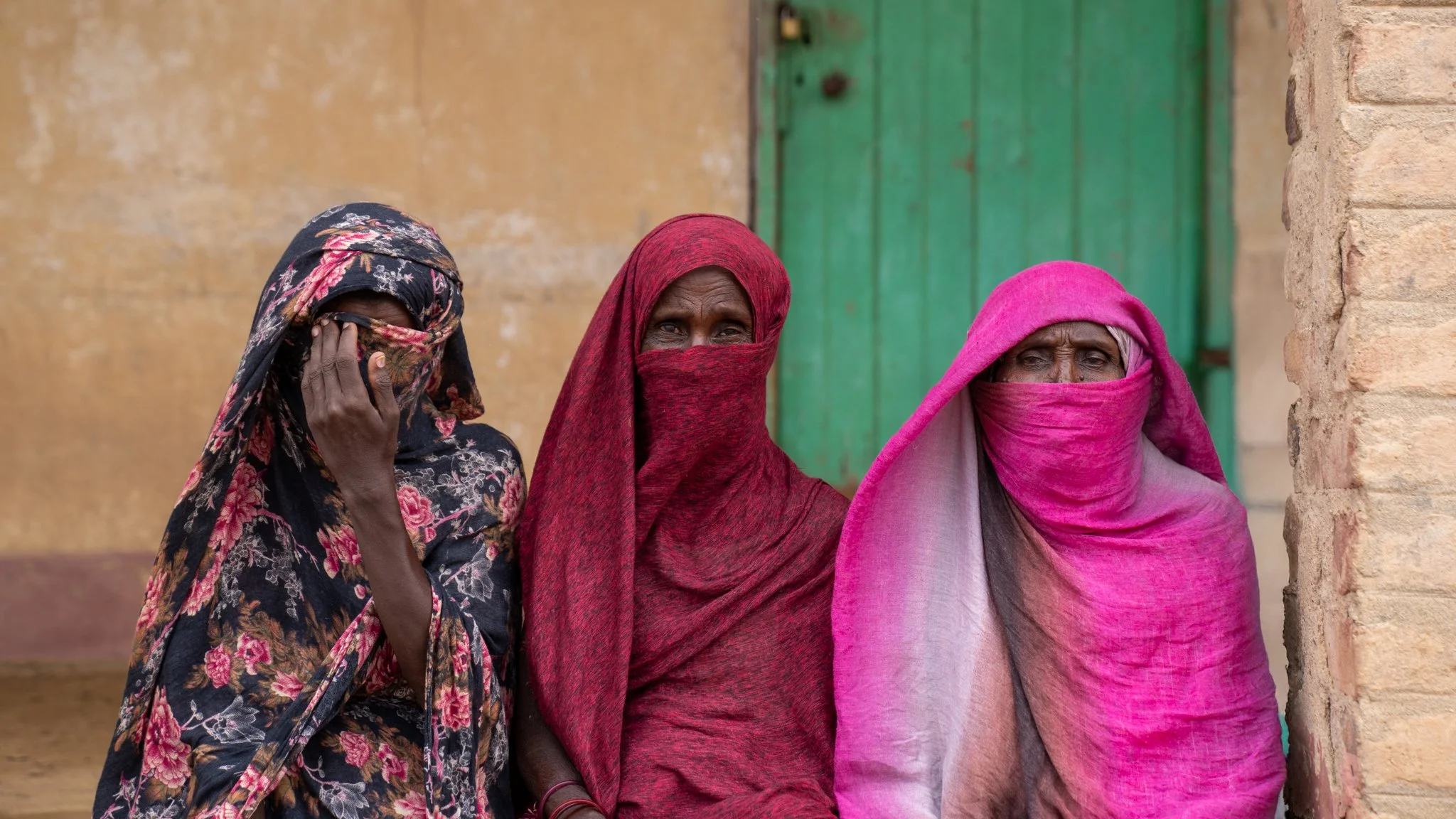
Female Tokar community members. On 25 August 2024, the collapse of Sudan’s Arba’at Dam unleashed catastrophic floods, destroying 20 villages in the Red Sea State, displacing thousands, and cutting off vital supply routes. The disaster deepened Sudan’s crisis—where conflict and climate change collide—leaving communities facing hunger, economic hardship, and disease
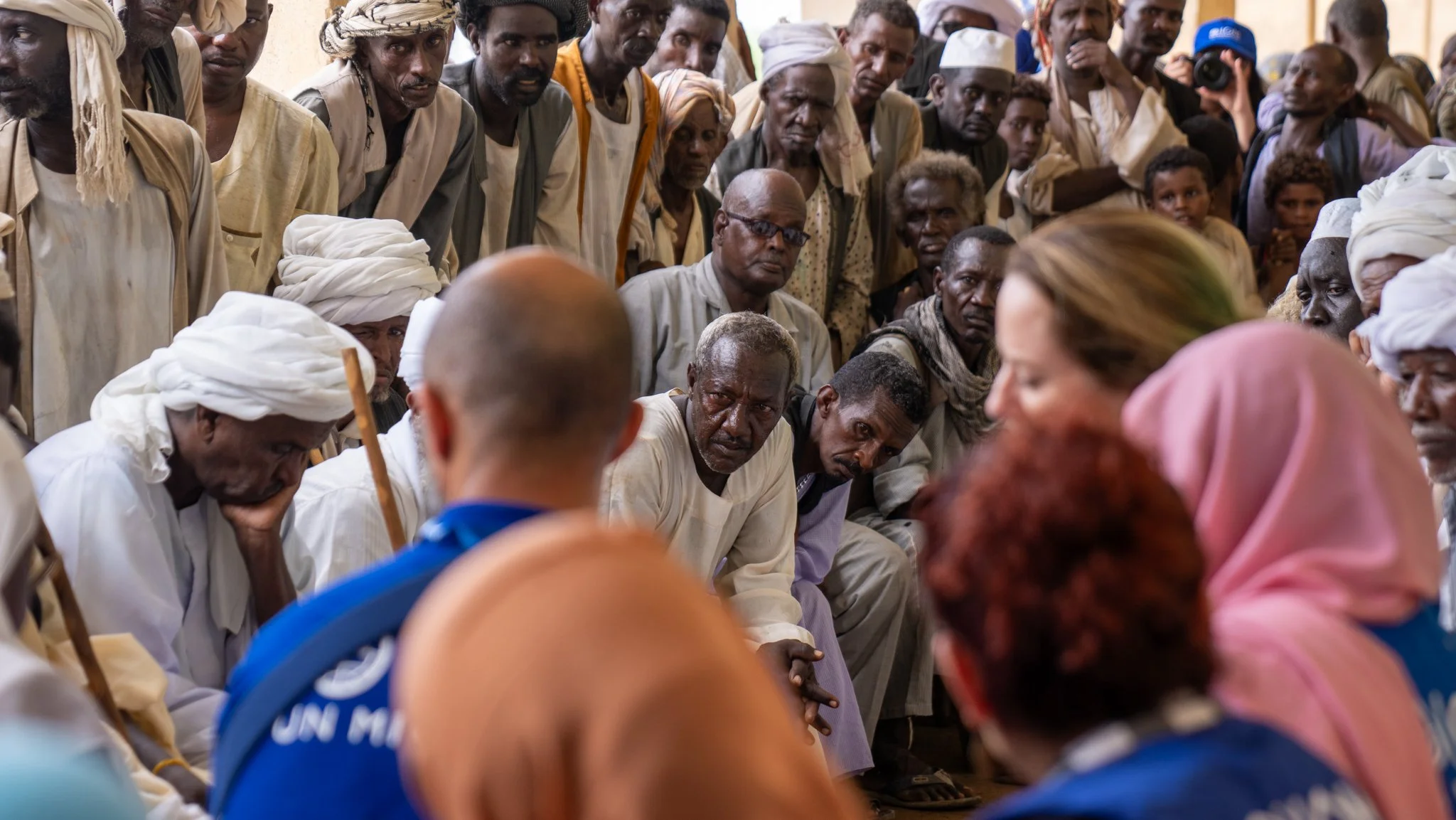
Tokar elders and community members speak to IOM staff about the difficulties experienced in the village due to intense flooding. On 25 August 2024, the collapse of Sudan’s Arba’at Dam unleashed catastrophic floods, destroying 20 villages in the Red Sea State, displacing thousands, and cutting off vital supply routes. The disaster deepened Sudan’s crisis—where conflict and climate change collide—leaving communities facing hunger, economic hardship, and disease
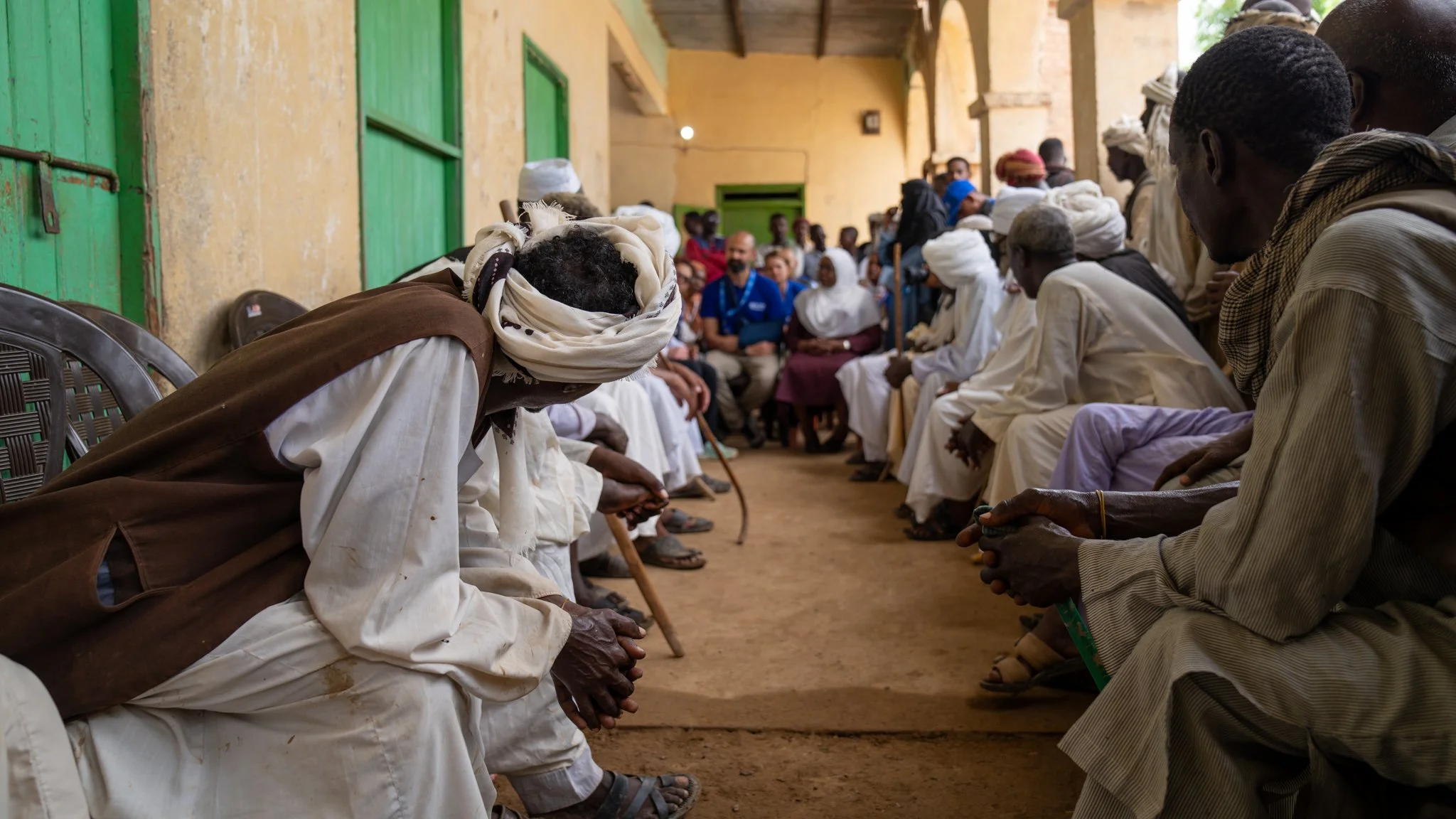
Tokar elders and community members speak to IOM staff about the difficulties experienced in the village due to flooding. On 25 August 2024, the collapse of Sudan’s Arba’at Dam unleashed catastrophic floods, destroying 20 villages in the Red Sea State, displacing thousands, and cutting off vital supply routes. The disaster deepened Sudan’s crisis—where conflict and climate change collide—leaving communities facing hunger, economic hardship, and disease
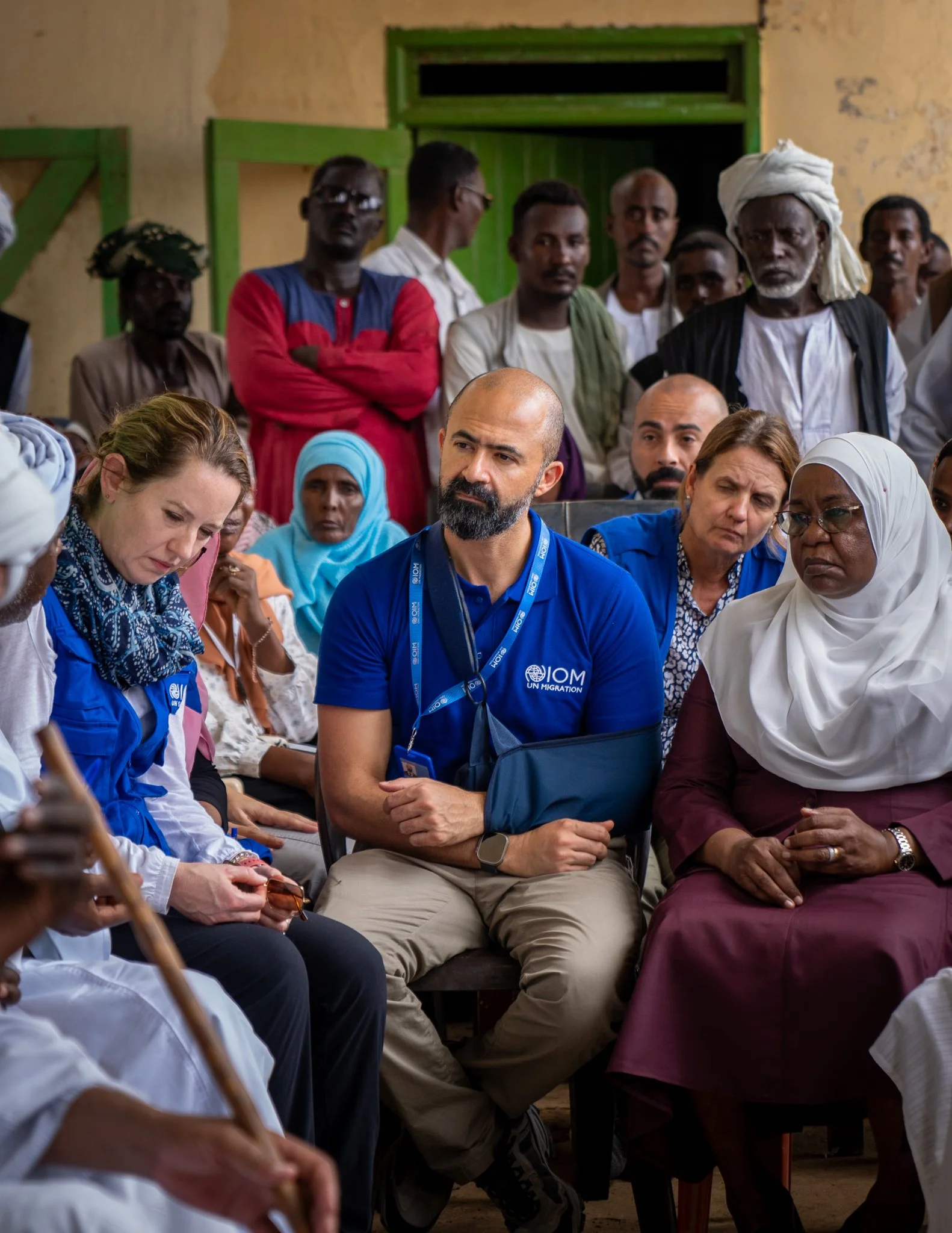
IOM Director General, Amy Pope, and IOM Sudan Chief of Mission Mohammed Raafat listen to members of Tokar community speak about the difficulties experienced in the village due to flooding, to learn about the immediate needs of the community. On 25 August 2024, the collapse of Sudan’s Arba’at Dam unleashed catastrophic floods, destroying 20 villages in the Red Sea State, displacing thousands, and cutting off vital supply routes. The disaster deepened Sudan’s crisis—where conflict and climate change collide—leaving communities facing hunger, economic hardship, and disease
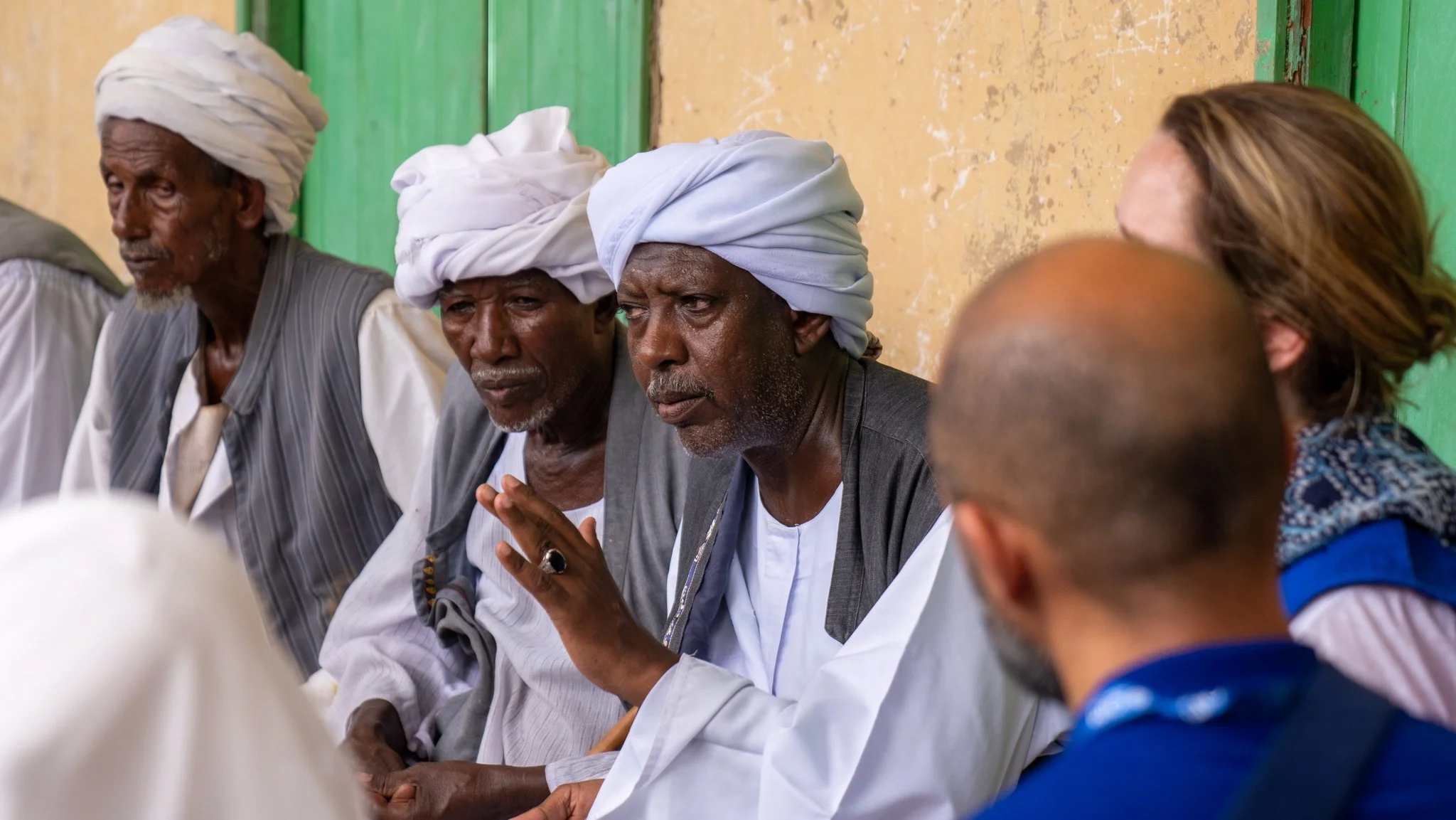
A Tokar elder speaking to IOM staff about the difficulties experienced in the community due to flooding. On 25 August 2024, the collapse of Sudan’s Arba’at Dam unleashed catastrophic floods, destroying 20 villages in the Red Sea State, displacing thousands, and cutting off vital supply routes. The disaster deepened Sudan’s crisis—where conflict and climate change collide—leaving communities facing hunger, economic hardship, and disease
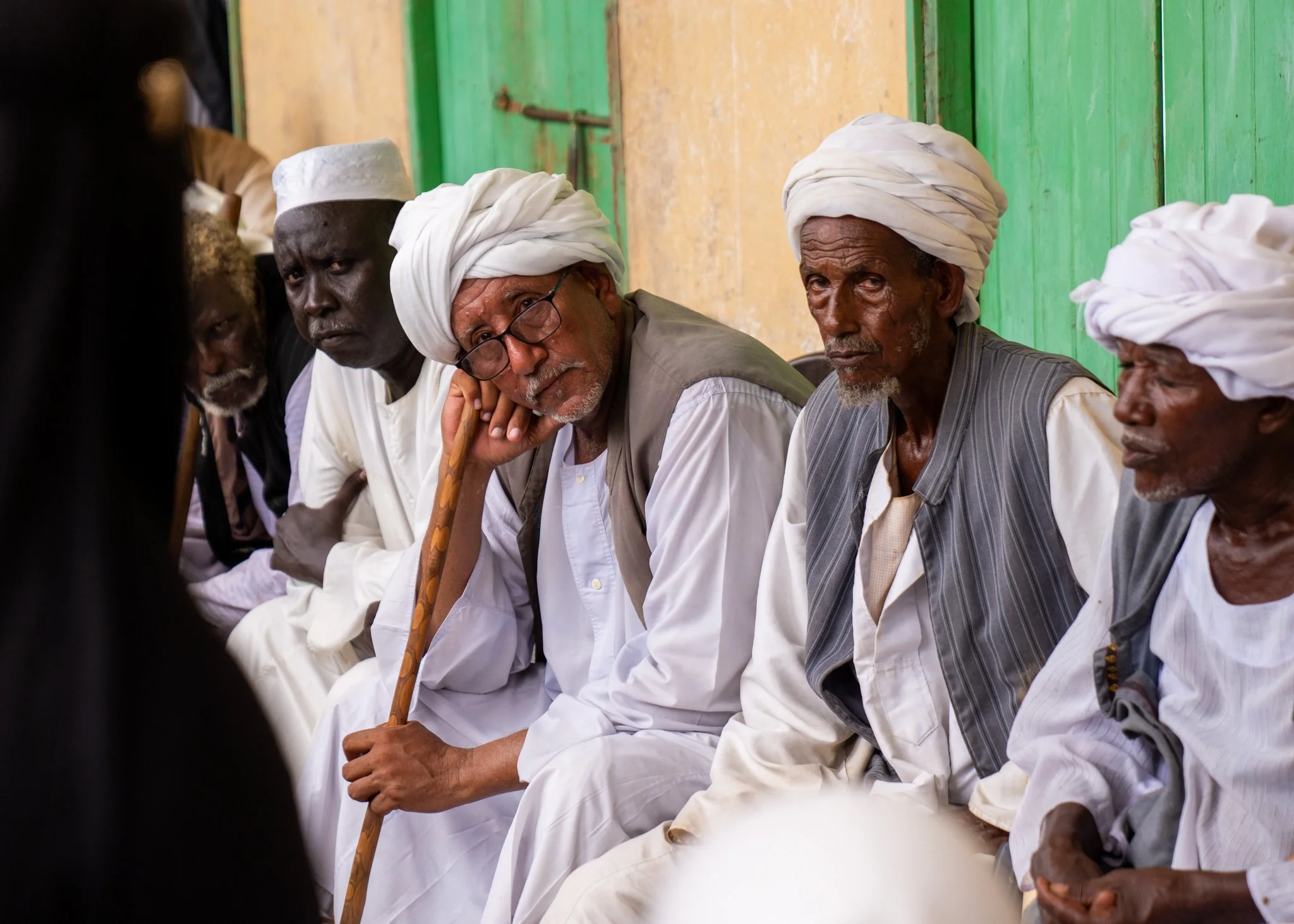
Tokar elders and village speak to IOM staff about the difficulties experienced in the community due to flooding. On 25 August 2024, the collapse of Sudan’s Arba’at Dam unleashed catastrophic floods, destroying 20 villages in the Red Sea State, displacing thousands, and cutting off vital supply routes. The disaster deepened Sudan’s crisis—where conflict and climate change collide—leaving communities facing hunger, economic hardship, and disease
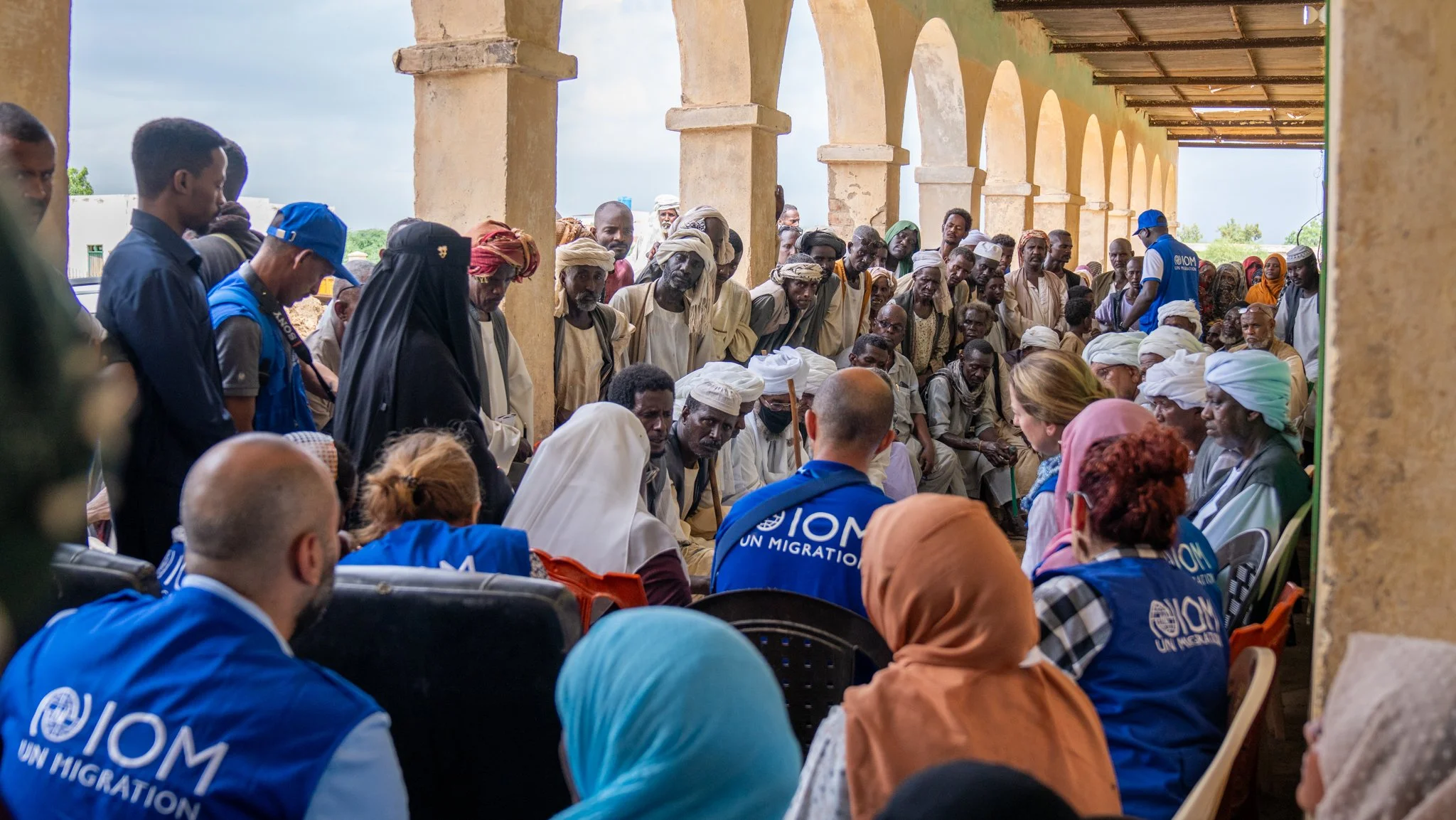
A community discussion with IOM staff on the difficulties experienced in the Tokar community due to flooding. On 25 August 2024, the collapse of Sudan’s Arba’at Dam unleashed catastrophic floods, destroying 20 villages in the Red Sea State, displacing thousands, and cutting off vital supply routes. The disaster deepened Sudan’s crisis—where conflict and climate change collide—leaving communities facing hunger, economic hardship, and disease
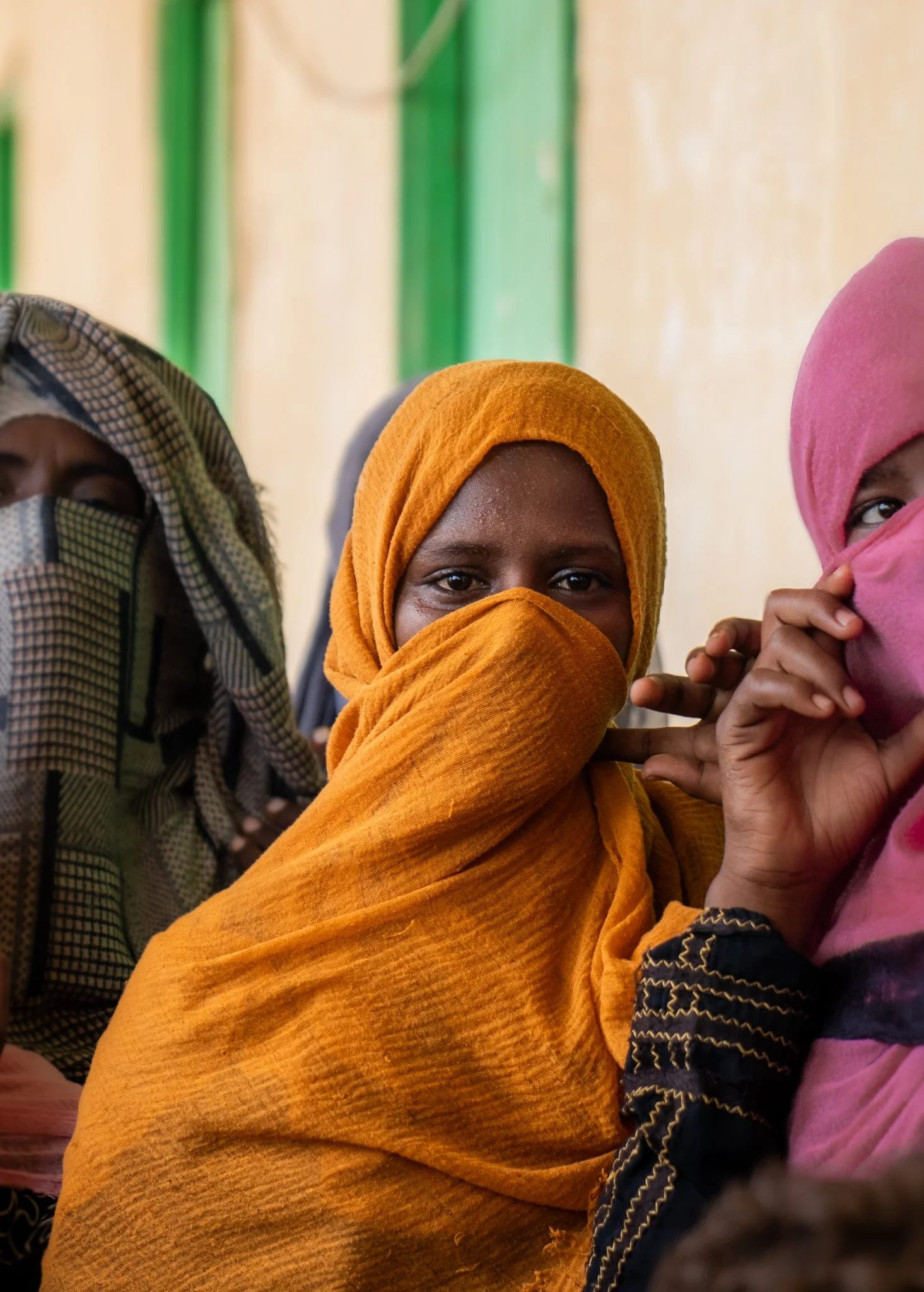
Female Tokar community members. On 25 August 2024, the collapse of Sudan’s Arba’at Dam unleashed catastrophic floods, destroying 20 villages n the Red Sea State, displacing thousands, and cutting off vital supply routes. The disaster deepened Sudan’s crisis—where conflict and climate change collide—leaving communities facing hunger, economic hardship, and disease
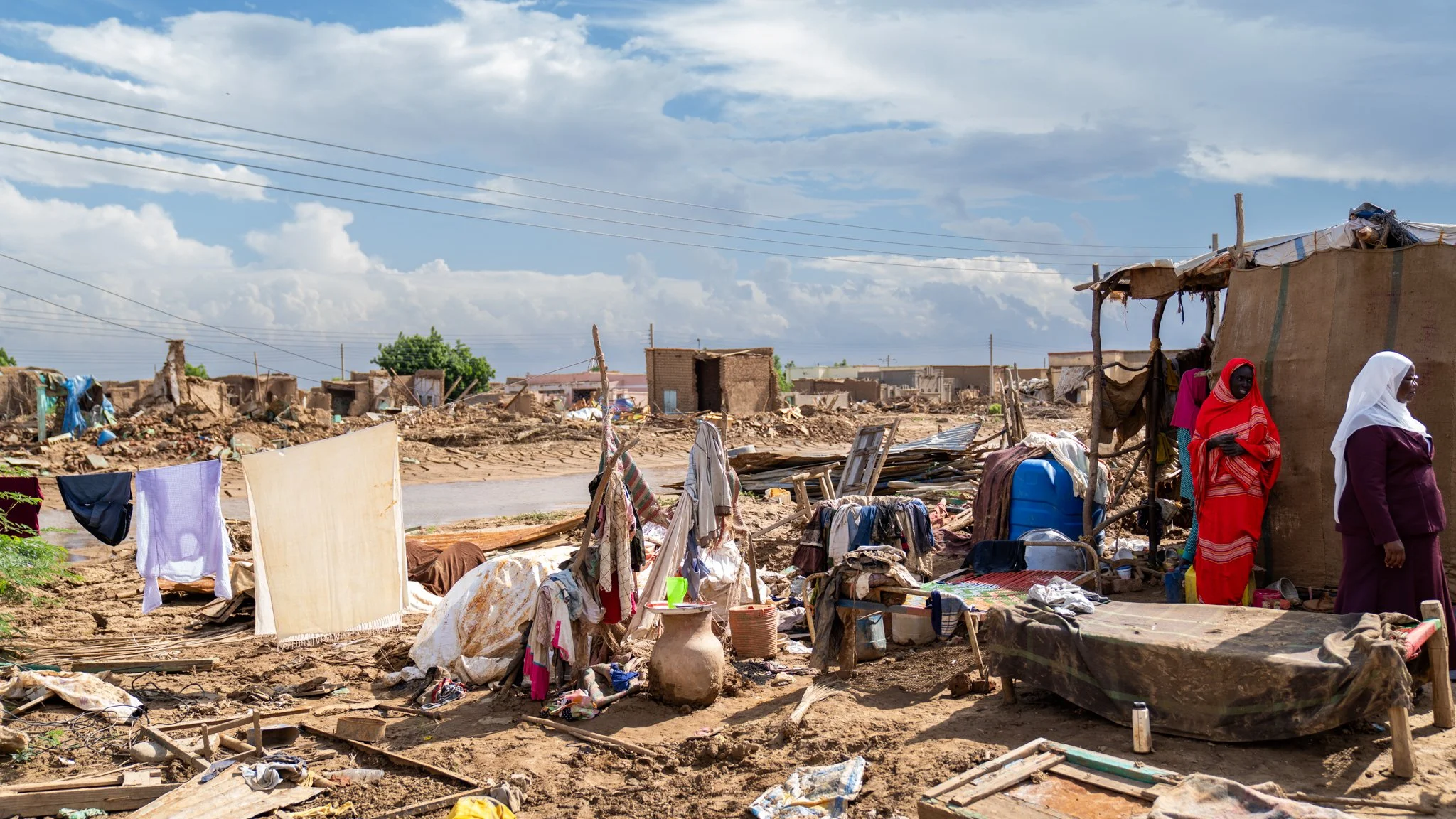
Houses in Tokar have been destroyed by the floods. On 25 August 2024, the collapse of Sudan’s Arba’at Dam unleashed catastrophic floods, destroying 20 villages in the Red Sea State, displacing thousands, and cutting off vital supply routes. The disaster deepened Sudan’s crisis—where conflict and climate change collide—leaving communities facing hunger, economic hardship, and disease
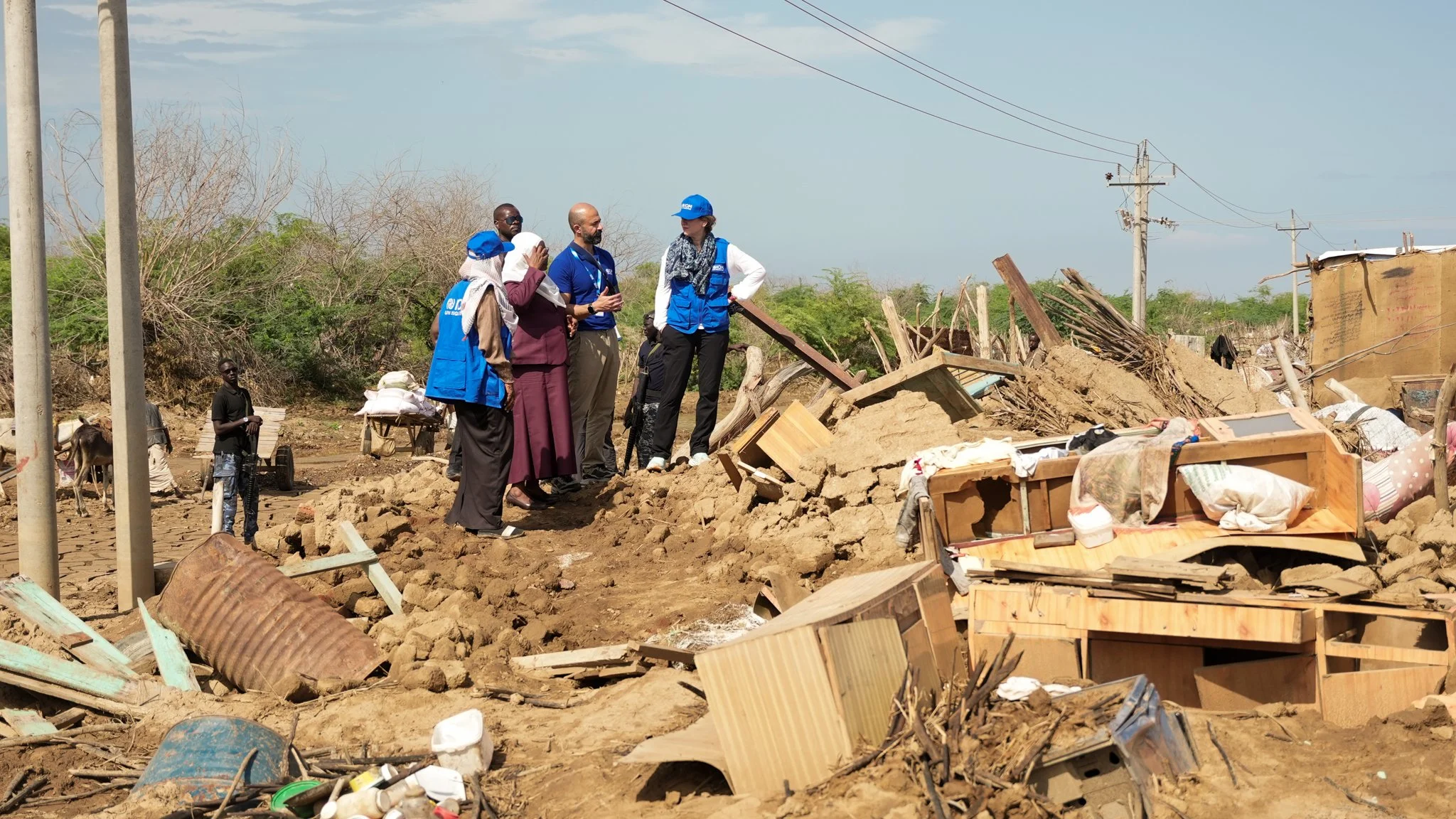
IOM Director General, Amy Pope, listens in as colleagues and partners explain the extent of the damage done to Tokar by the recent floods. On 25 August 2024, the collapse of Sudan’s Arba’at Dam unleashed catastrophic floods, destroying 20 villages in the Red Sea State, displacing thousands, and cutting off vital supply routes. The disaster deepened Sudan’s crisis—where conflict and climate change collide—leaving communities facing hunger, economic hardship, and disease
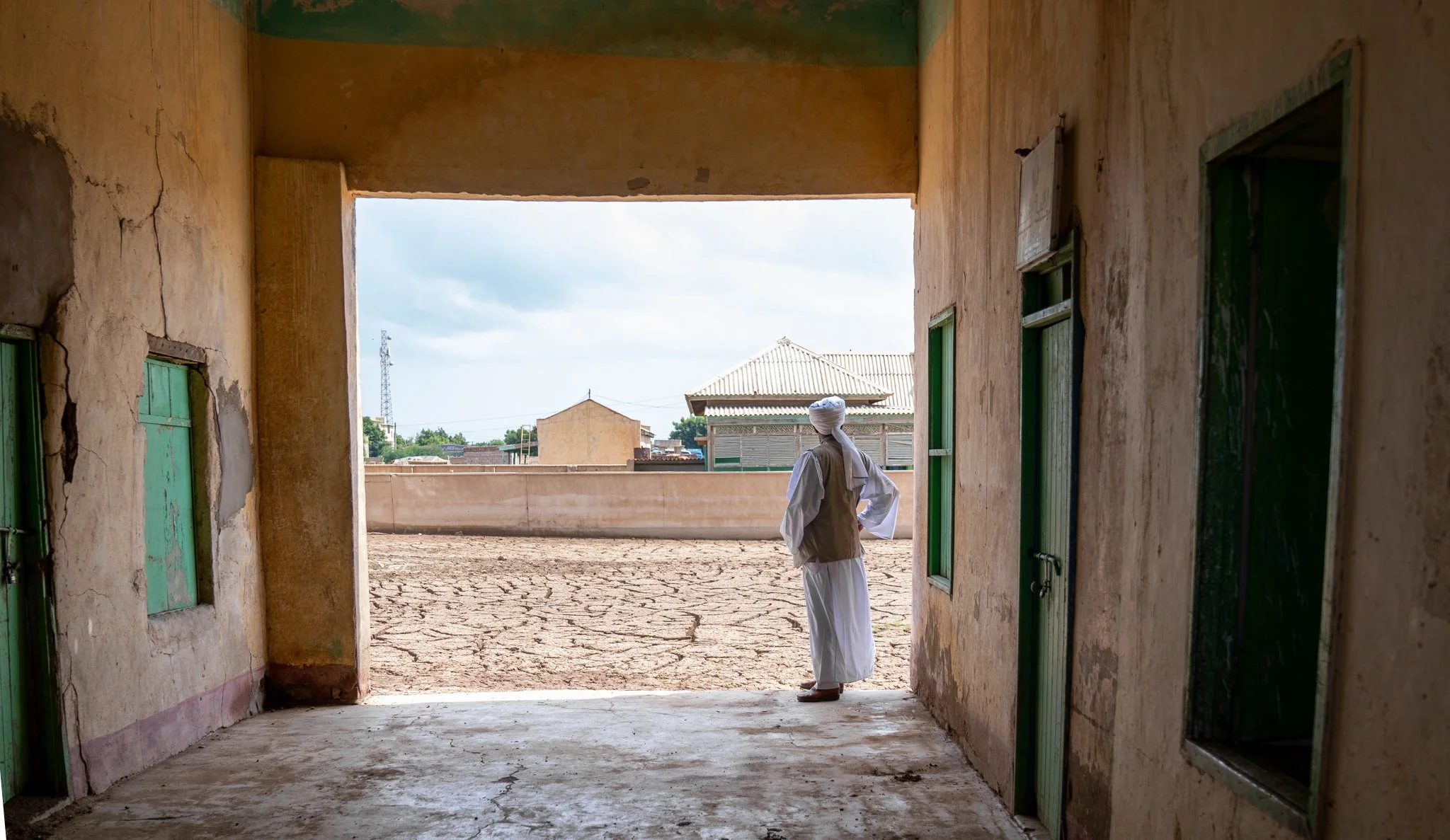
A man looks over a road in Tokar, where the ground has been affected by drought and flooding, making access to the community difficult. On 25 August 2024, the collapse of Sudan’s Arba’at Dam unleashed catastrophic floods, destroying 20 villages in the Red Sea State, displacing thousands, and cutting off vital supply routes. The disaster deepened Sudan’s crisis—where conflict and climate change collide—leaving communities facing hunger, economic hardship, and disease
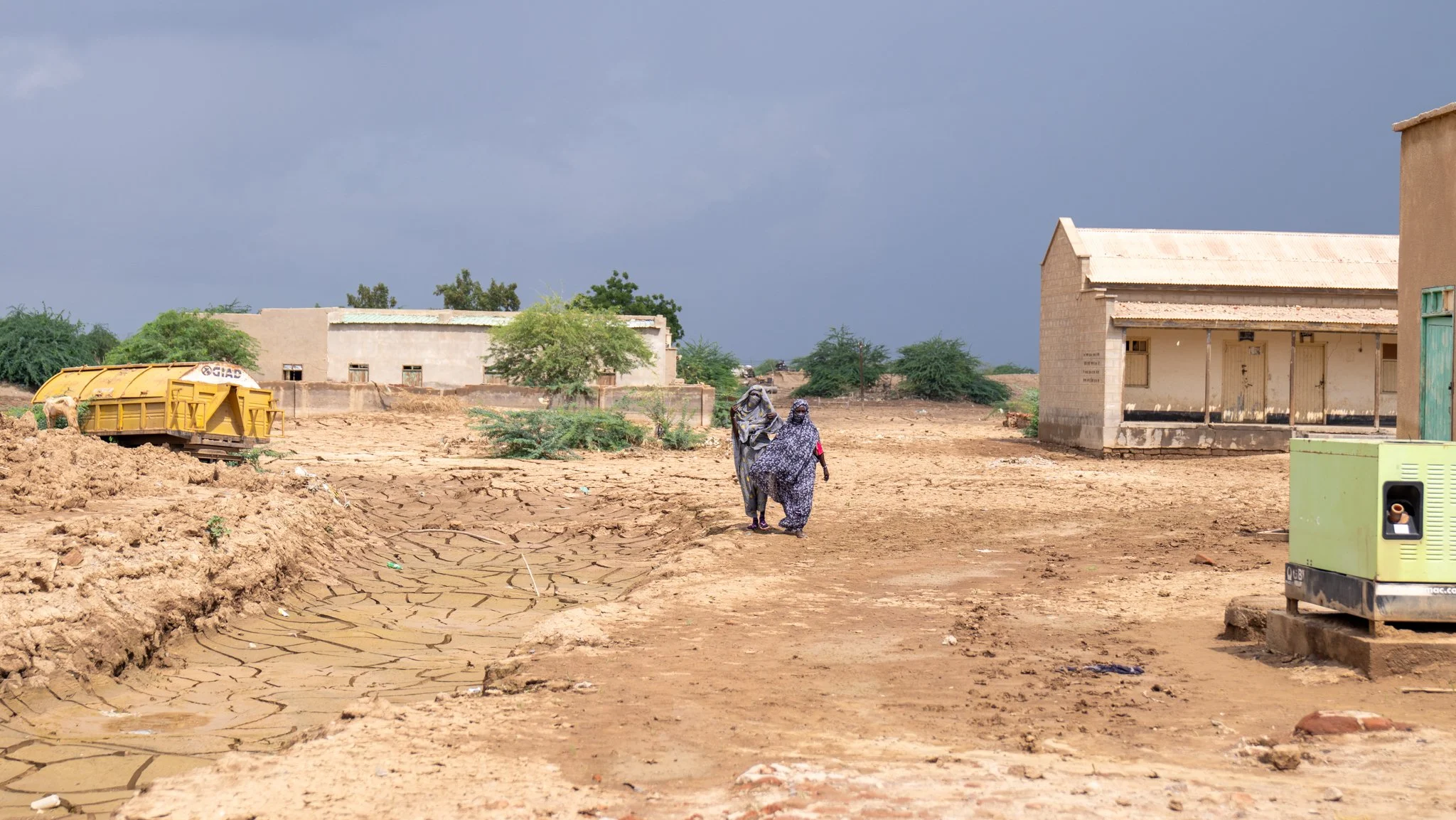
Women walk along a destroyed road in Tokar. On 25 August 2024, the collapse of Sudan’s Arba’at Dam unleashed catastrophic floods, destroying 20 villages in the Red Sea State, displacing thousands, and cutting off vital supply routes. The disaster deepened Sudan’s crisis—where conflict and climate change collide—leaving communities facing hunger, economic hardship, and disease
In Pictures:
Paraguay
Documentary Photography and Portraiture
In The Mbya Guarani community of Santa Teresita, Paraguay, reflects the shared struggle of many Indigenous peoples across South America to protect ancestral culture in the face of deforestation and climate change. Here, Indigenous women meet these pressures with strength.
In 2023, I travelled to Paraguay as part of an IOM team to meet with the Mbya Guarani community, and work with them to tell thier story as part of a broader IOM campaign highlighting the needs of communities around the world facing environmental displacement.
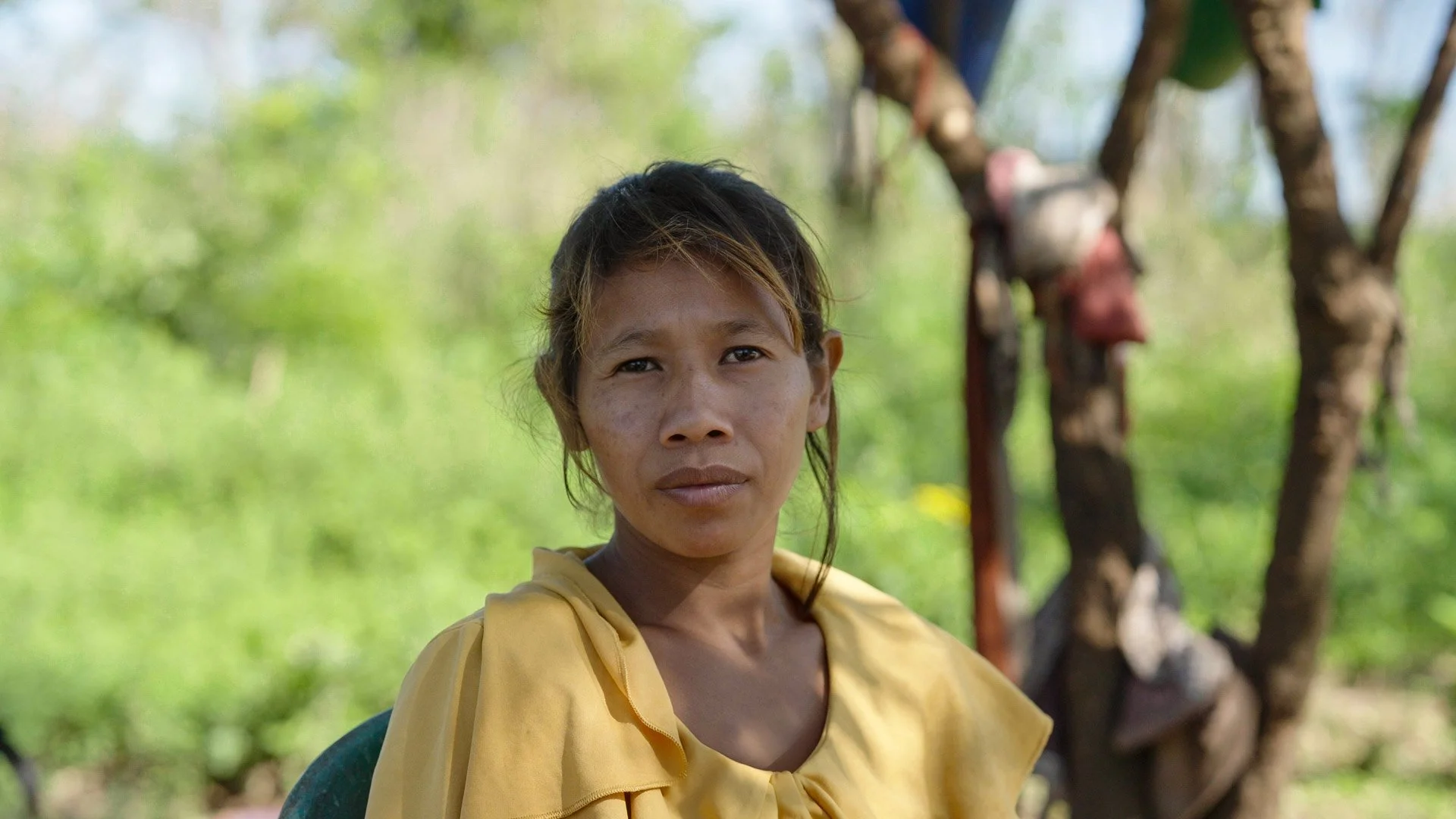
Ilaria, Santa Teresita Community, Paso Yobai, Paraguay. Standing next to her house on a sunny afternoon, Ilaria, 25, recalls a time when the forest provided all the food needed to sustain the community of 170 families where she was born and raised. “When I was a child, the forest here was very big. But there are no more animals in the bush, it becomes hard to find food in the bush to feed the children.”
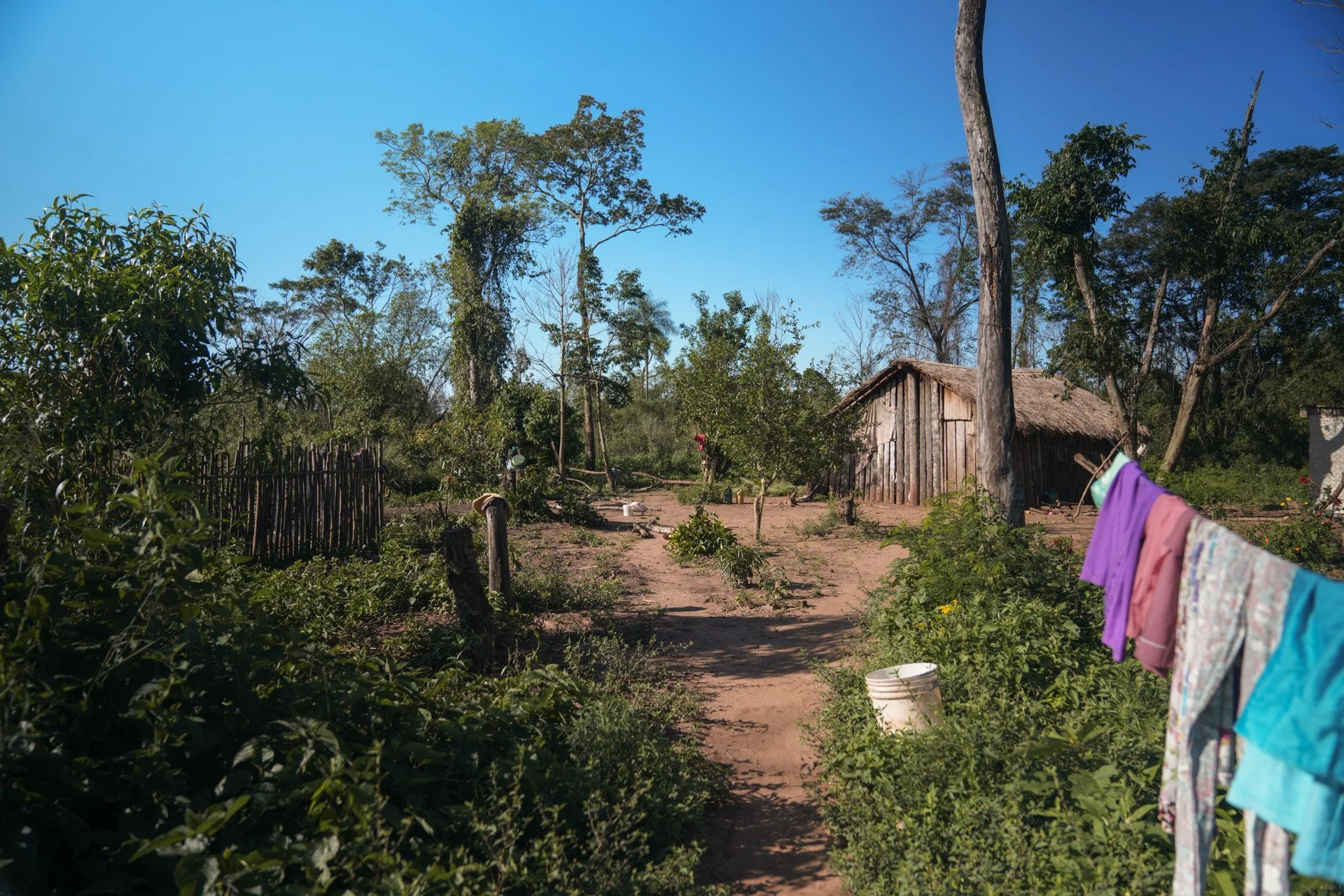
Ilaria’s house, Santa Teresita Community, Paso Yobai, Paraguay. Ilaria is a member of the Mbya Guaraní people, one of the 19 indigenous ethnic groups in Paraguay and among the most affected by deforestation, a common problem for indigenous people groups of the South American country. Paraguay has the highest percentage loss of forest cover in all of South America, loosing 27 per cent of the total forest between 2001 and 2021. Pressure over land and resources has particularly affected indigenous communities, forcing them to leave periodically or permanently their ancestral territories.
![Ilaria and two of her children sitting in their garden in Santa Teresita.
“It is very complicated because what we grow only appears when it rains, and if it doesn't rain, nothing [grows]. Sometimes it [crops] do not come out for a year. And, when](https://images.squarespace-cdn.com/content/v1/5c7746a6797f7410f578b714/72be84c5-1be4-4d8f-8d50-e9b59a748640/Paraguay-COP28-Photo+03.jpg)
Ilaria and two of her children sitting in their garden in Santa Teresita. “It is very complicated because what we grow only appears when it rains, and if it doesn't rain, nothing [grows]. Sometimes it [crops] do not come out for a year. And, when that happens, we don't have food.” To provide for her family and to find other sources of income, Ilaria leaves Santa Teresita three times each year, leaving her children with her mother to travel to Ciudad del Este to buy and sell sweets. However, she limits her trips as much as possible due to concerns for her safety in the city: “There are many good people but there are also people who mistreat us.”
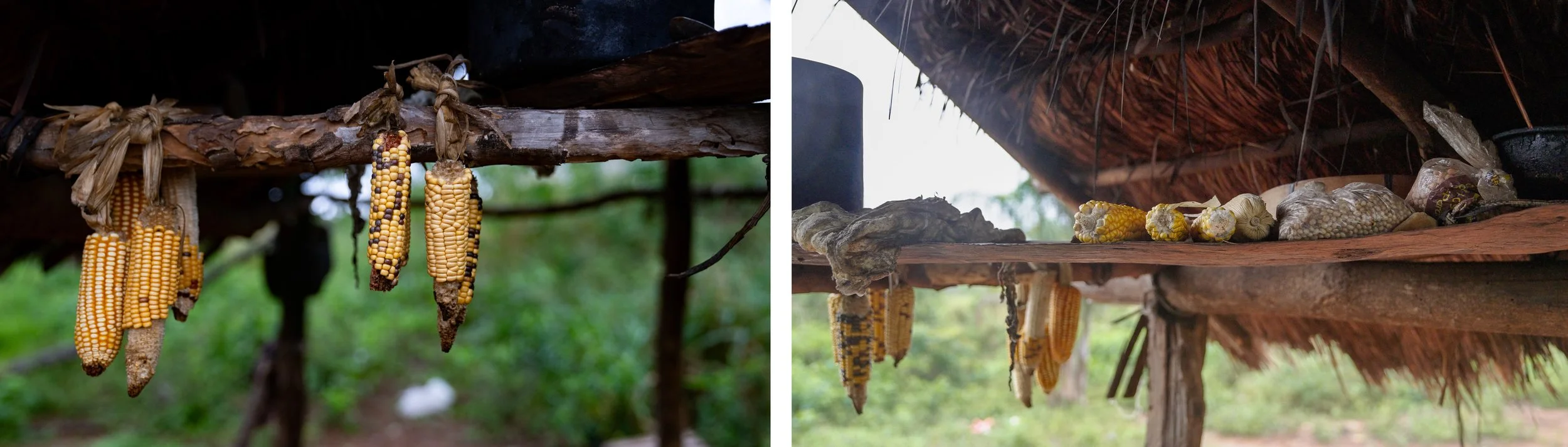
Dry corn and other supplies from Ilaria’s garden. Despite their strong desire to stay, the intensification of climate change forces more indigenous women to temporarily migrate to cities. There, they engage in buying and selling goods to secure alternative sources of income for their families. This situation particularly affects single mothers, as they are the sole income earner. Despite the difficulties, Ilaria remains determined to find solutions that will allow her and her family to remain in the community they call home: “I don't want them to leave this community, I want them [my children] to feel as much at home as I do here.”
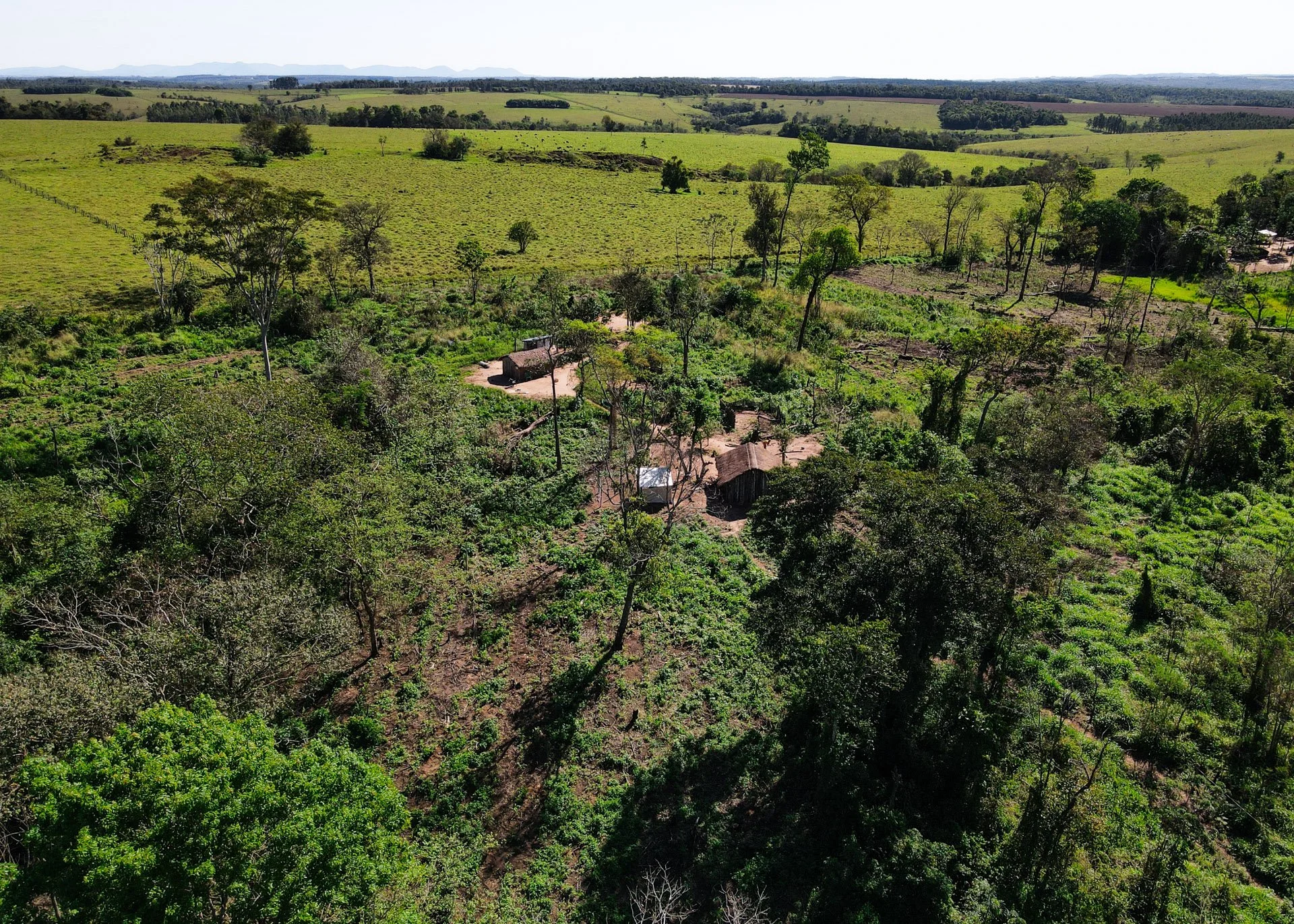
A Mbya Guarani house in Santa Teresita surrounded by deforested land outside of the community.
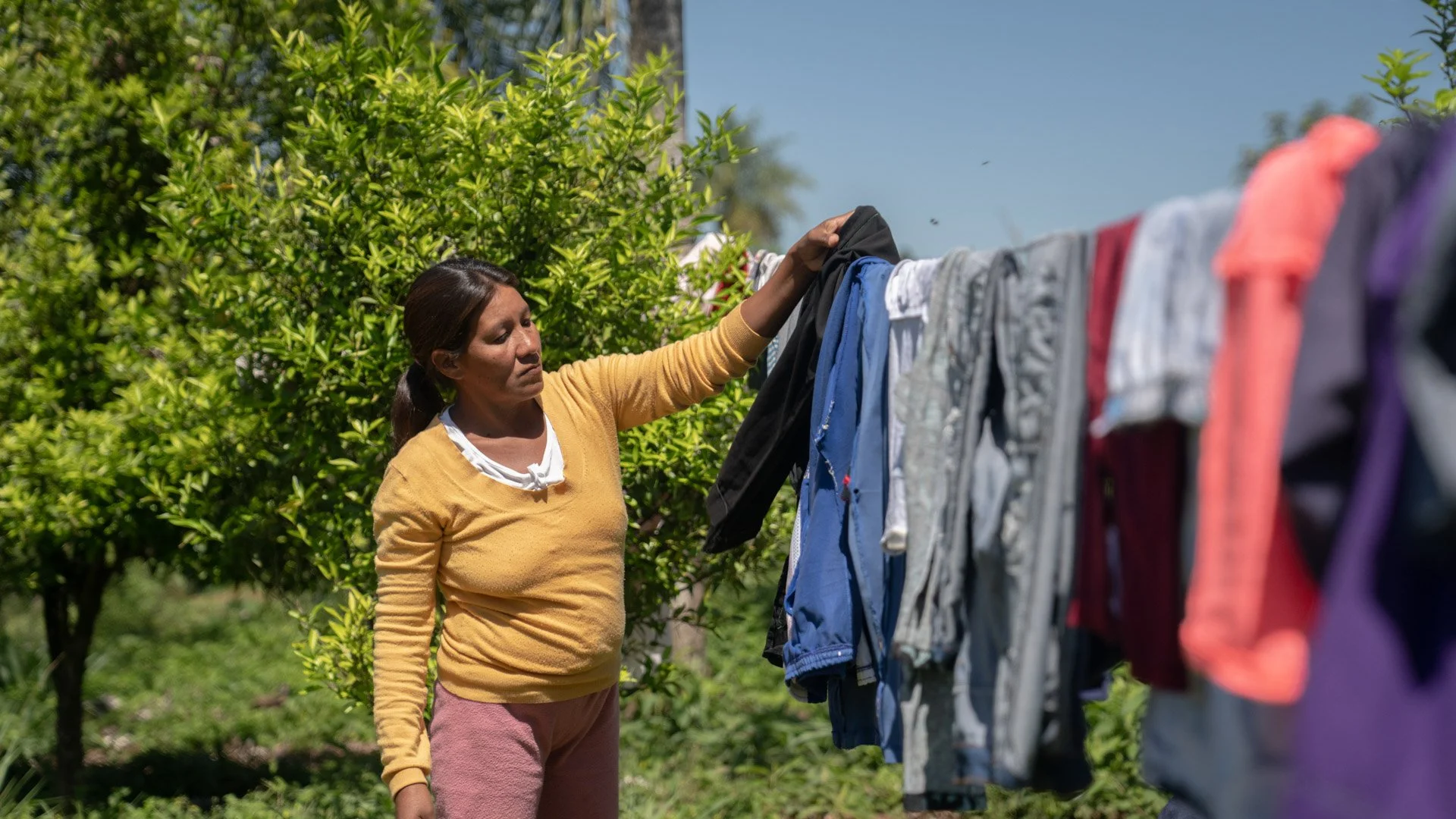
Ramona in her day-to-day life in the community of Santa Teresita, Paraguay. Ilaria’s struggle within the community of Santa Teresita is not unique. The Mbya Guarani have traditionally self-sustained by cultivating crops in gardens behind their homes. Ramona plants vegetables needed to sustain her husband and four children living at home, but this year, only a few crops managed to thrive. “Everything has changed,” she said. “This year, very few crops grew compared to past years. Some years, we can't harvest what we plant because the crops come out ruined; sometimes not even the cassava comes out well.”
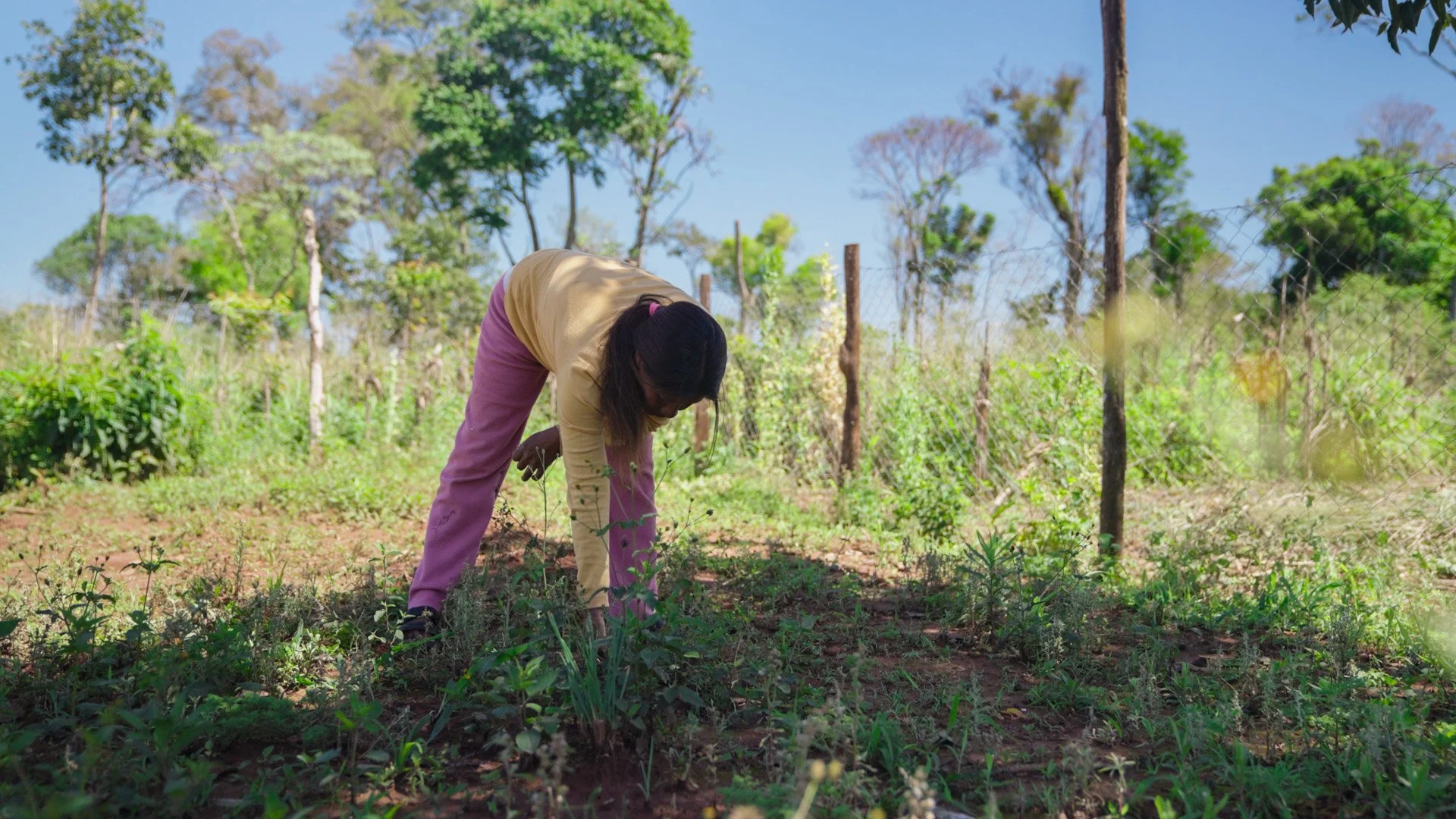
Ramona in her day-to-day life in the community of Santa Teresita, Paraguay.
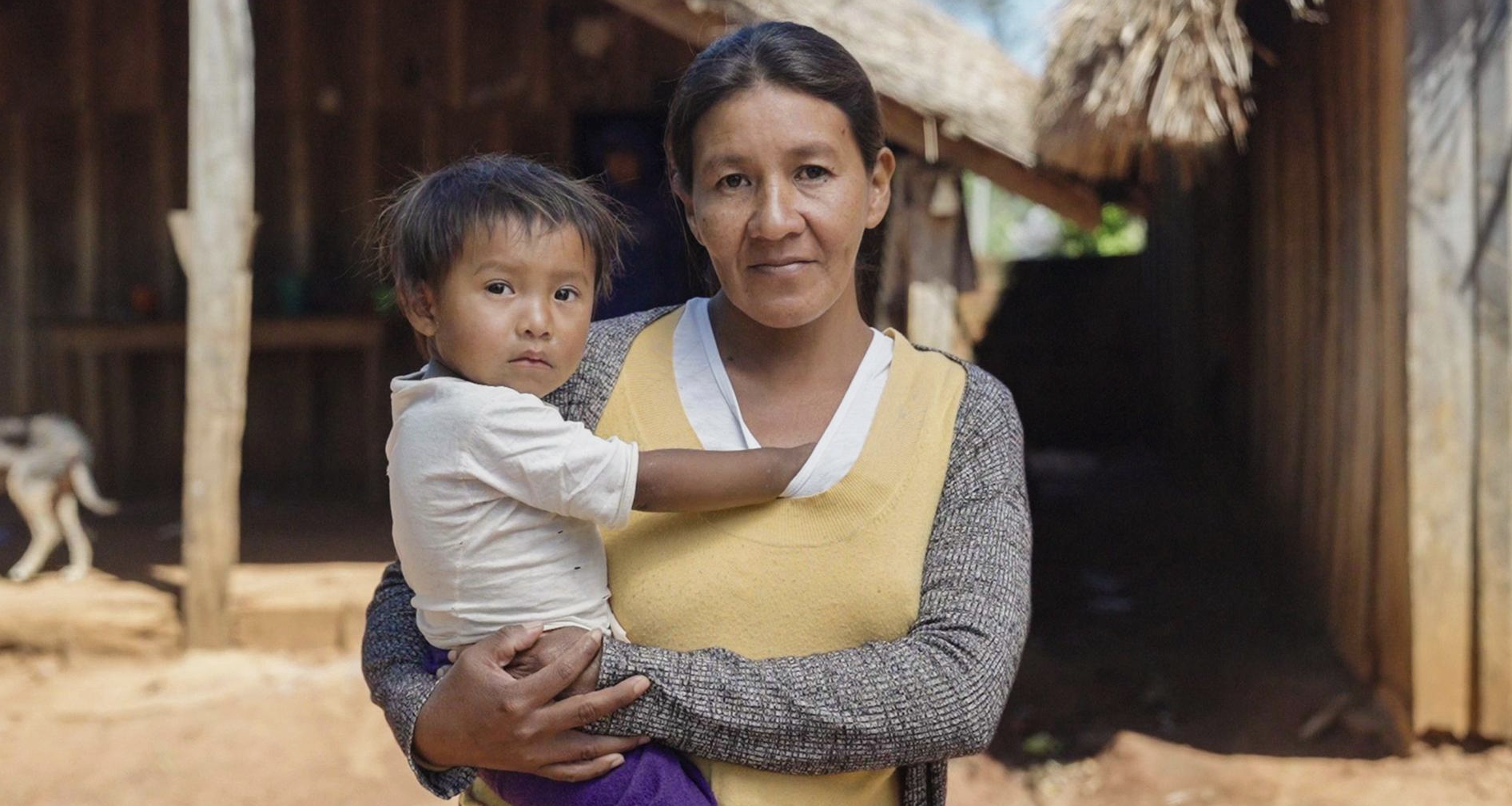
Ramona and her son, Santa Teresita Community, Paso Yobai, Paraguay. When it comes to thinking about her children’s future, Ramona deeply hopes for them to be able to stay in Santa Teresita. For her, it is a question of both remaining on the land their ancestors fought for, and preserving the Mbya Guarani culture. “They [her children] have to stay, we always have to talk about that. They have to maintain our community. We have to maintain the memory.”
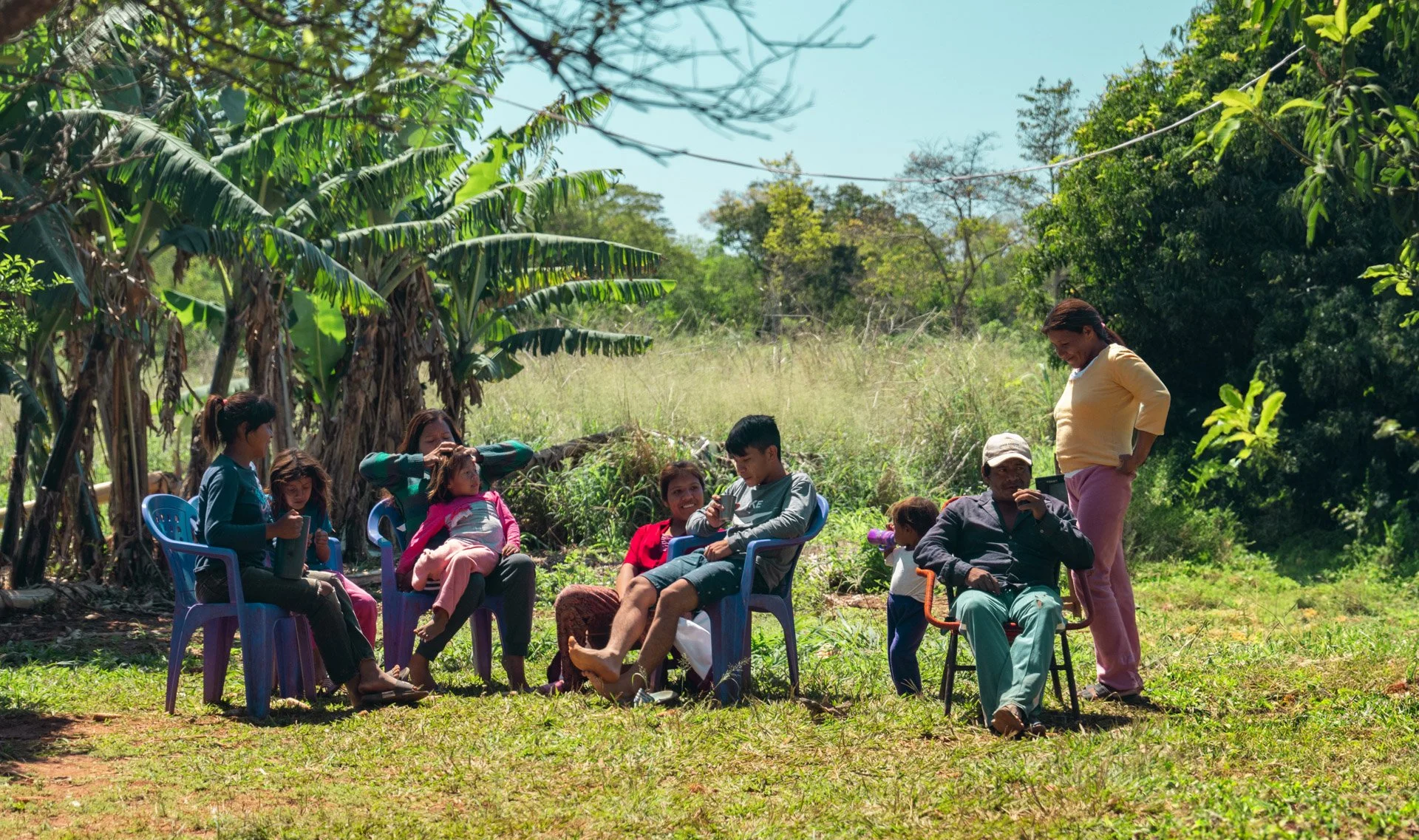
Ramona in a garden with her family.
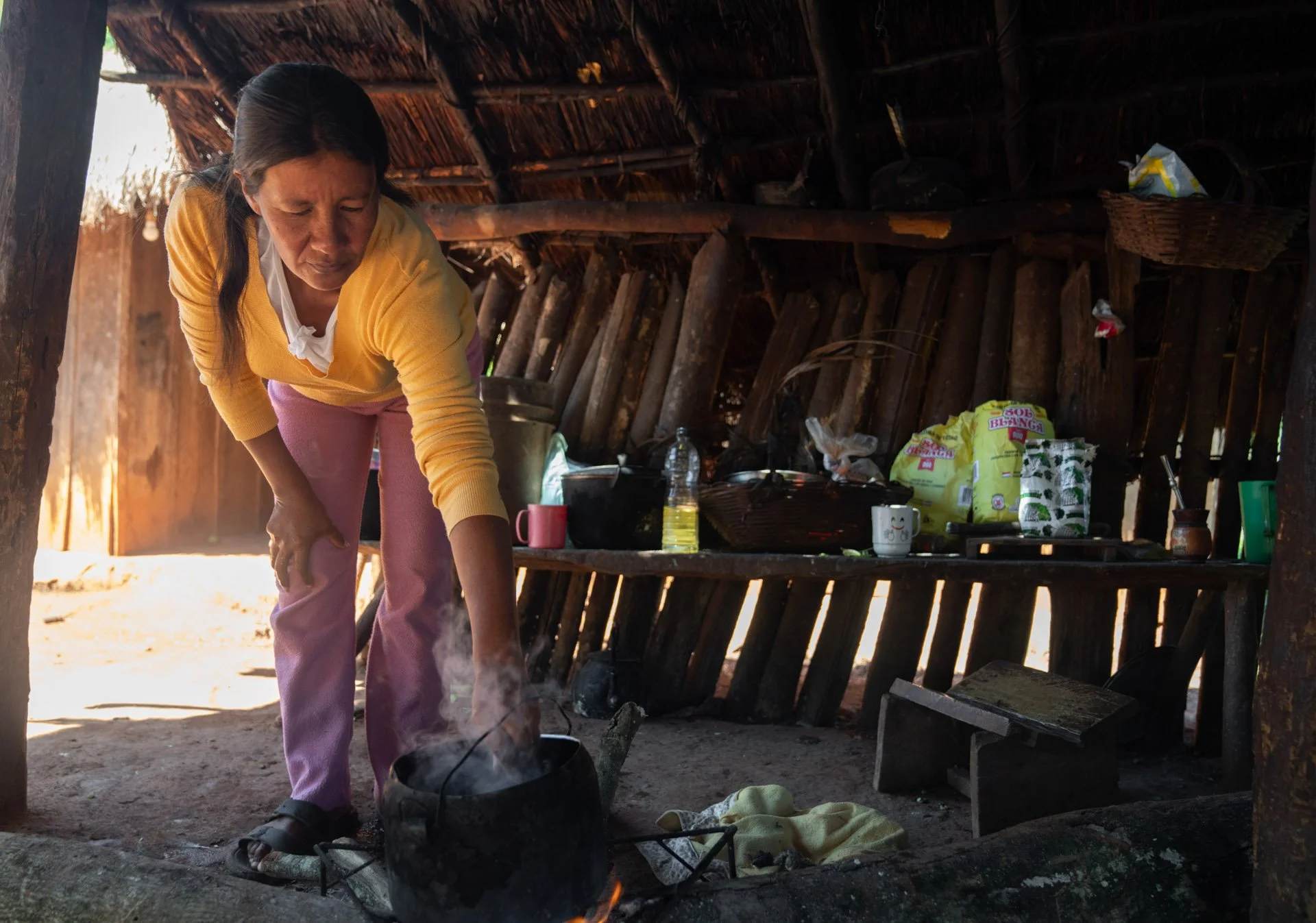
Ramona in her day-to-day life in the community of Santa Teresita, Paraguay.
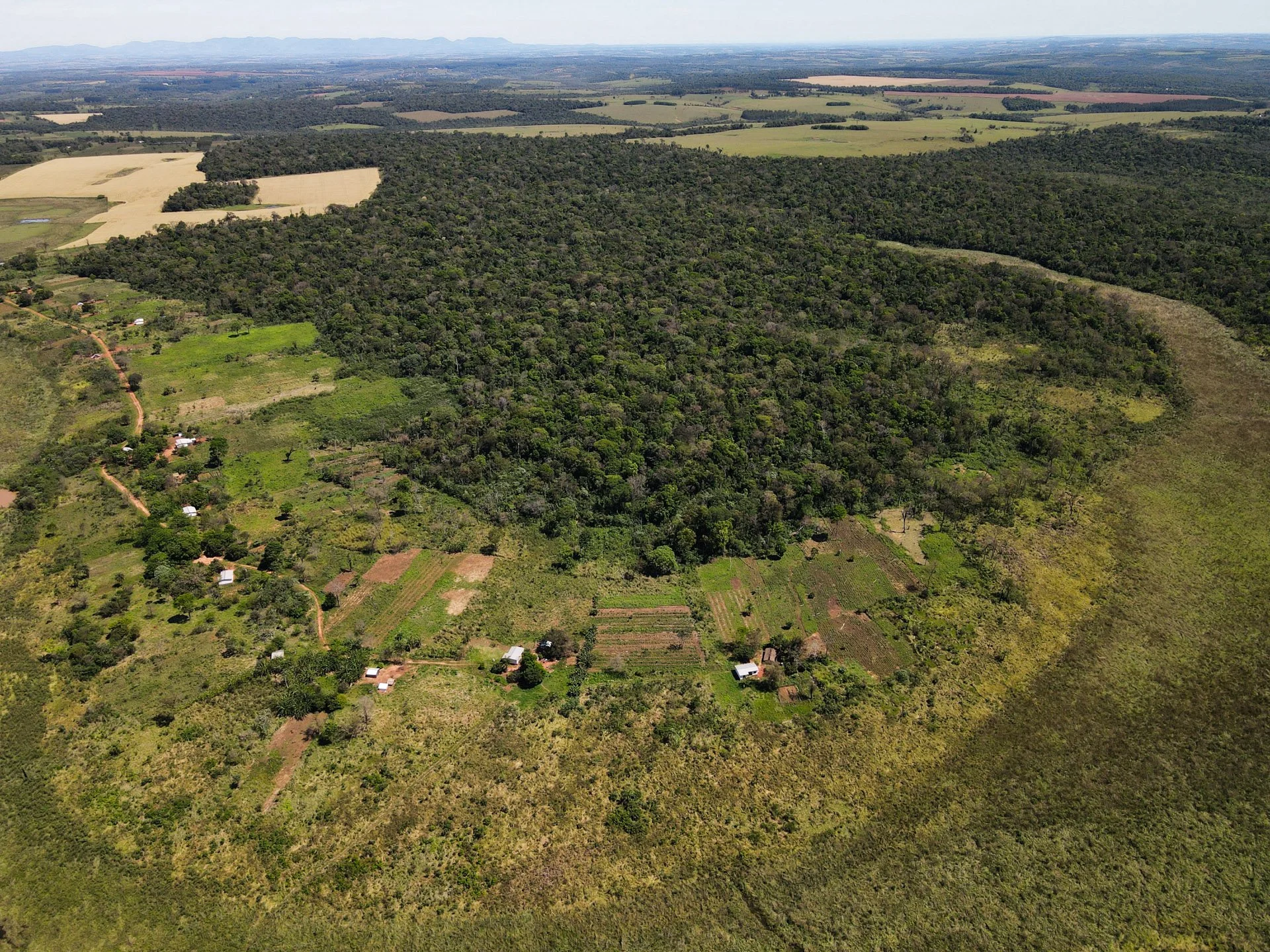
Santa Teresita’s community forest is surrounded by deforested land
In Pictures:
UKraine
Documentary Photography and Portraiture
Since February 2022, war has scarred Ukraine, displacing millions and reshaping lives across the country and beyond its borders. More than 6 million people have fled abroad, while millions more remain uprooted within Ukraine, enduring daily uncertainty.
In 2024, I traveled with IOM Director General Amy Pope across Ukraine to witness the resilience of affected communities. Amid shattered homes and disrupted lives, people spoke of both loss and determination—carrying the weight of conflict while holding fast to hope for peace.
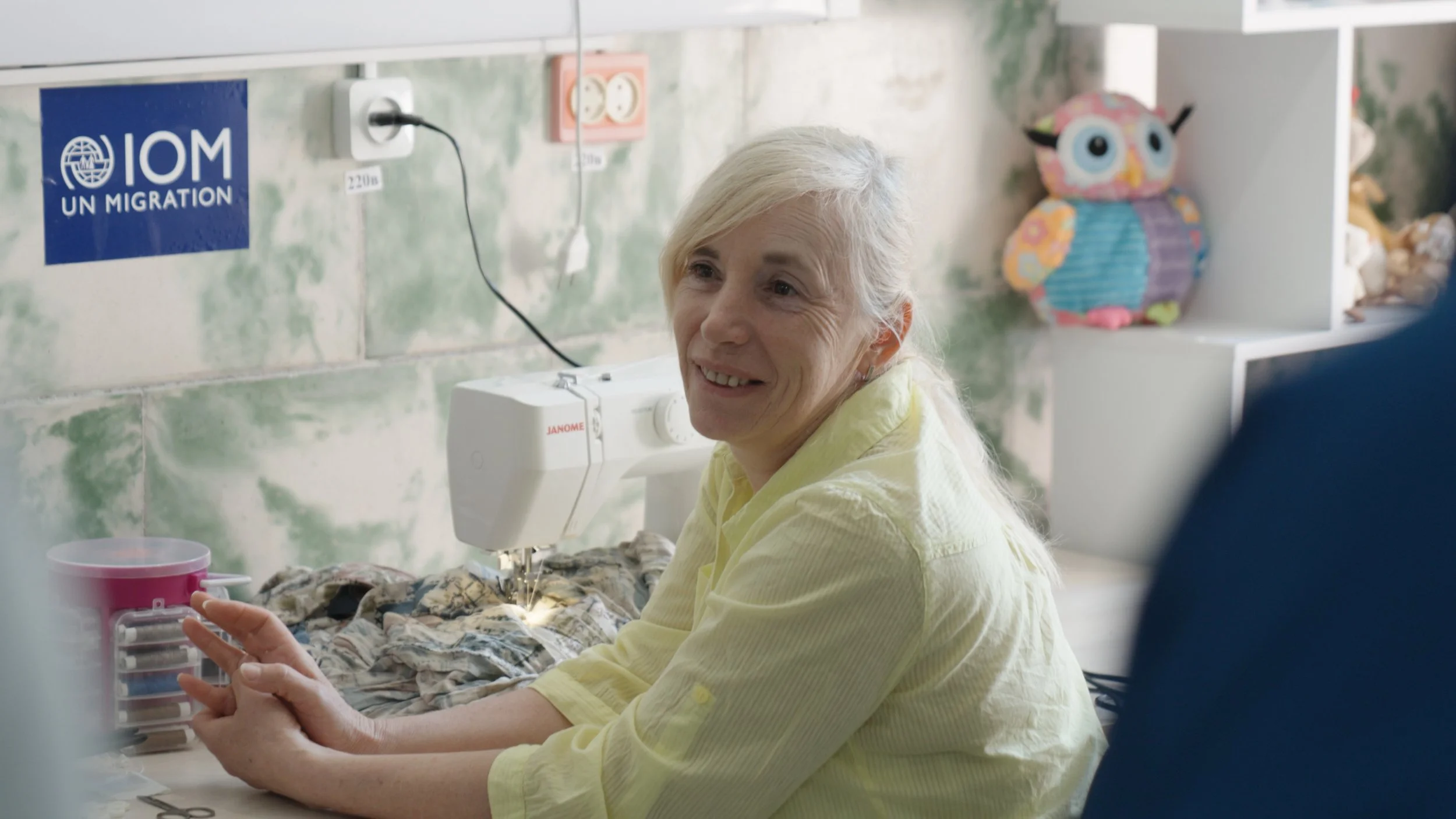
In Mykolaiv, families displaced by war have found refuge in an IOM collective centre. Life here is modest and often difficult, but amid shared rooms and scarce resources, people lean on one another and hold on to hope for home.
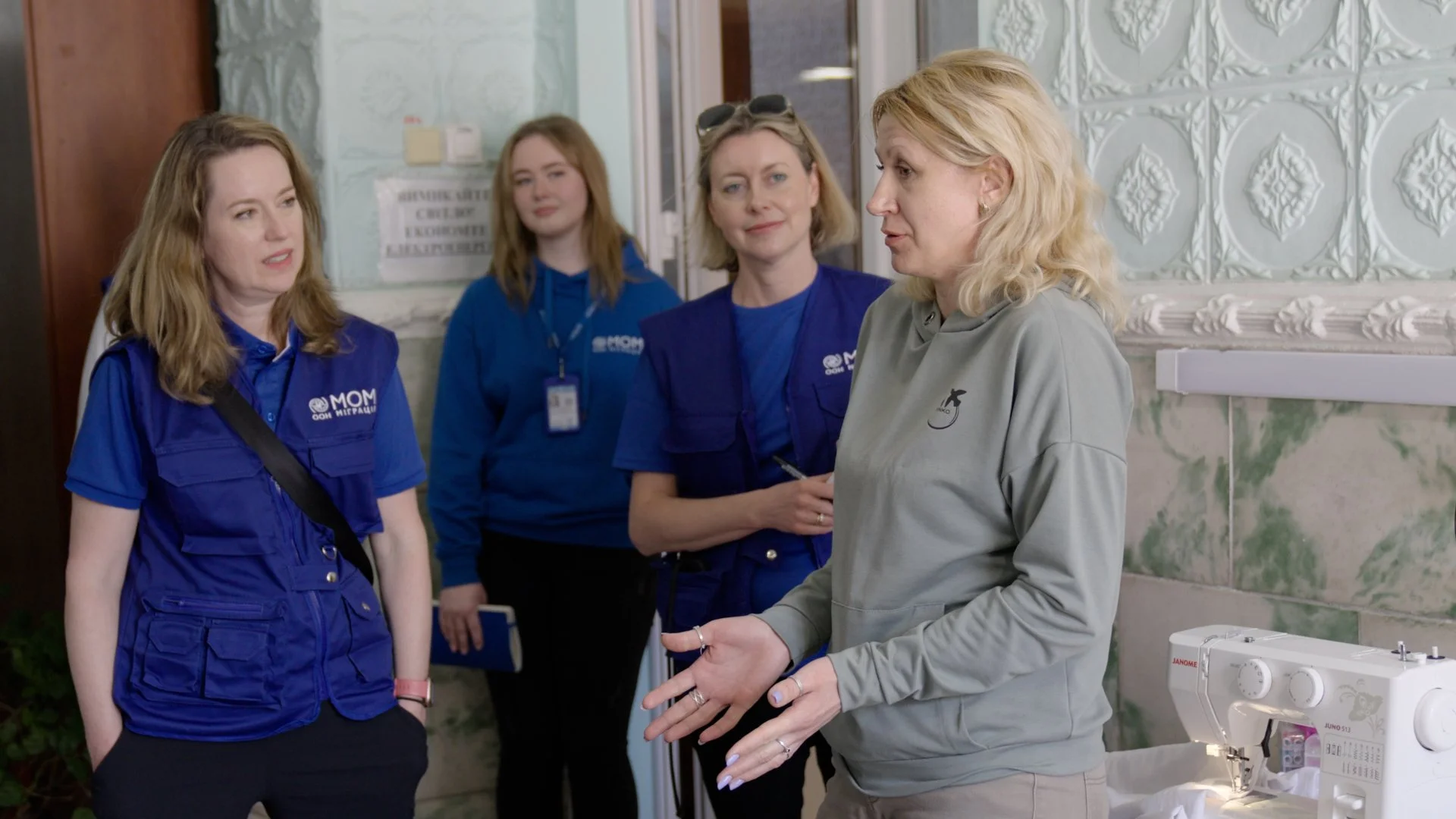
IOM Director General, Amy Pope, at the IOM-run collective centre in Mykolaiv, listens to Liudmyla, displaced from Kherson who told DG Pope: “A rocket hit our building, but we survived. The glass shattered. We managed to cover ourselves with blankets to avoid injuries. Then we ran out to the car and left. We weren’t able to take anything with us.”
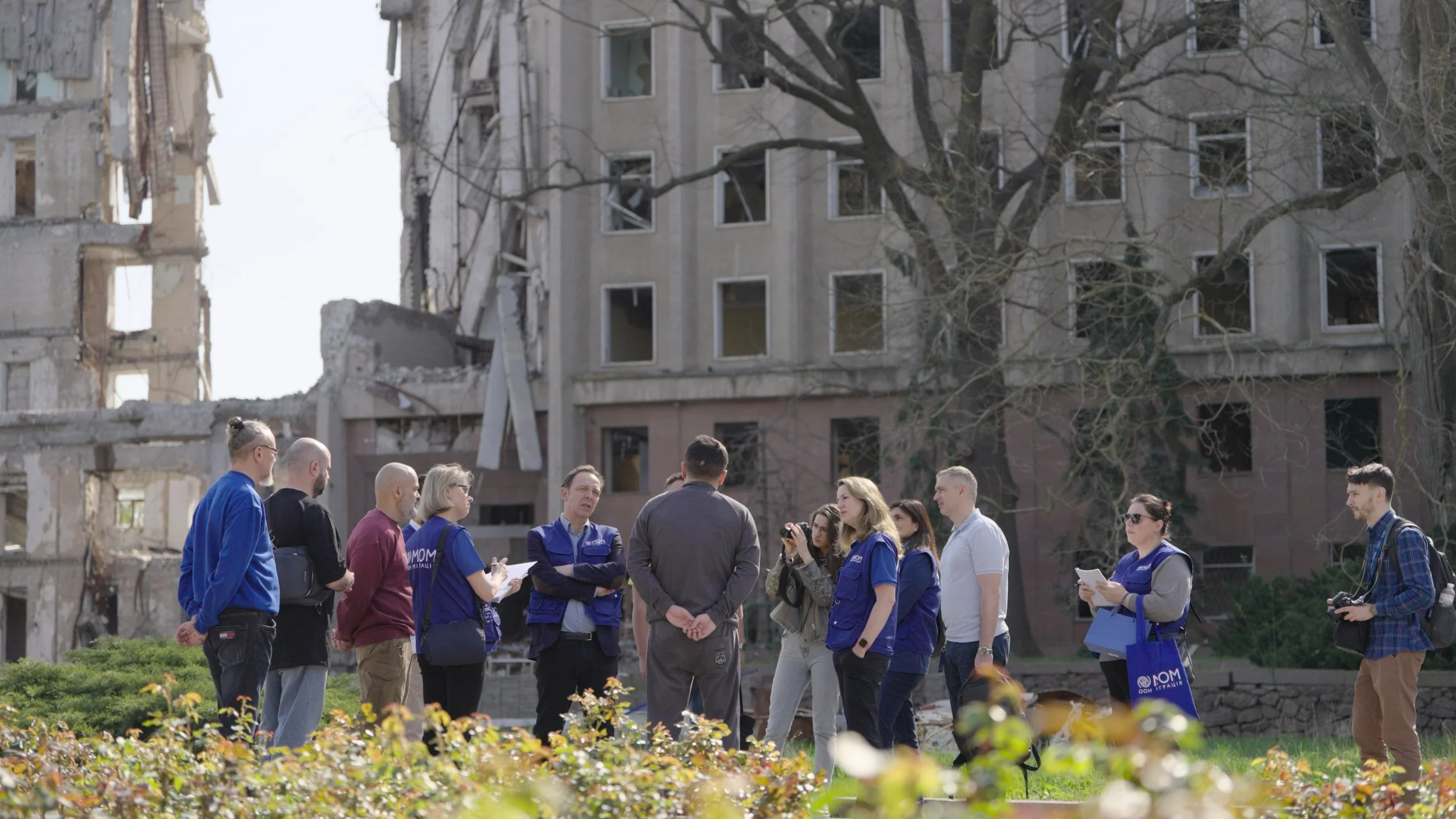
IOM Director General, Amy Pope, speaks with Vitalii Kim, the Governor of Mykolaiv. In March 2022 the Mykolaiv governor’s office was destroyed in a strike. IOM provides shelter, essential aid, and psychosocial support to displaced families and communities living with the daily realities of war.
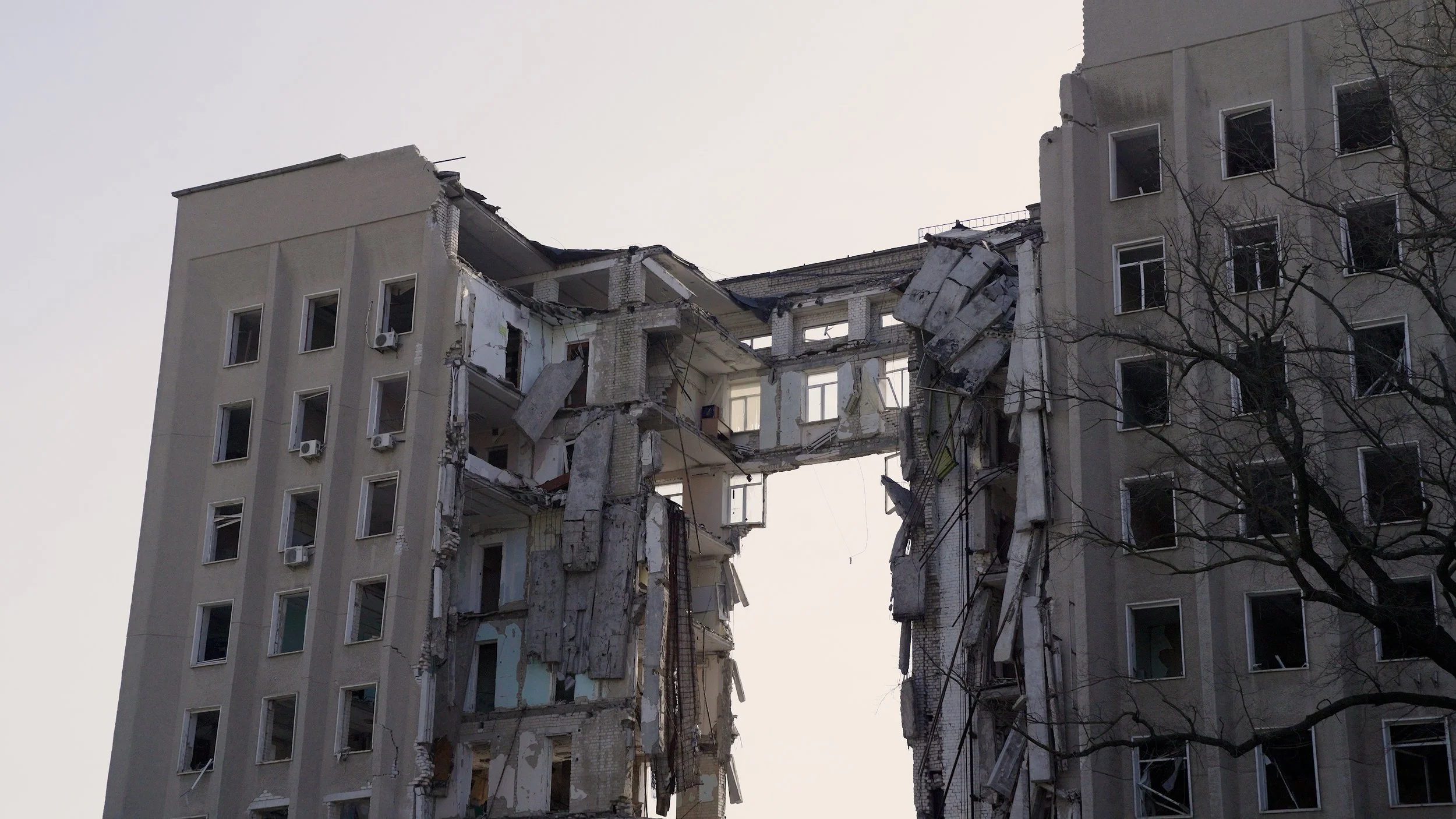
In Odesa and Mykolaiv, where missile strikes have scarred city centers—including the March 2022 attack on the Mykolaiv governor’s office—IOM provides shelter, essential aid, and psychosocial support to displaced families and communities living with the daily realities of war.
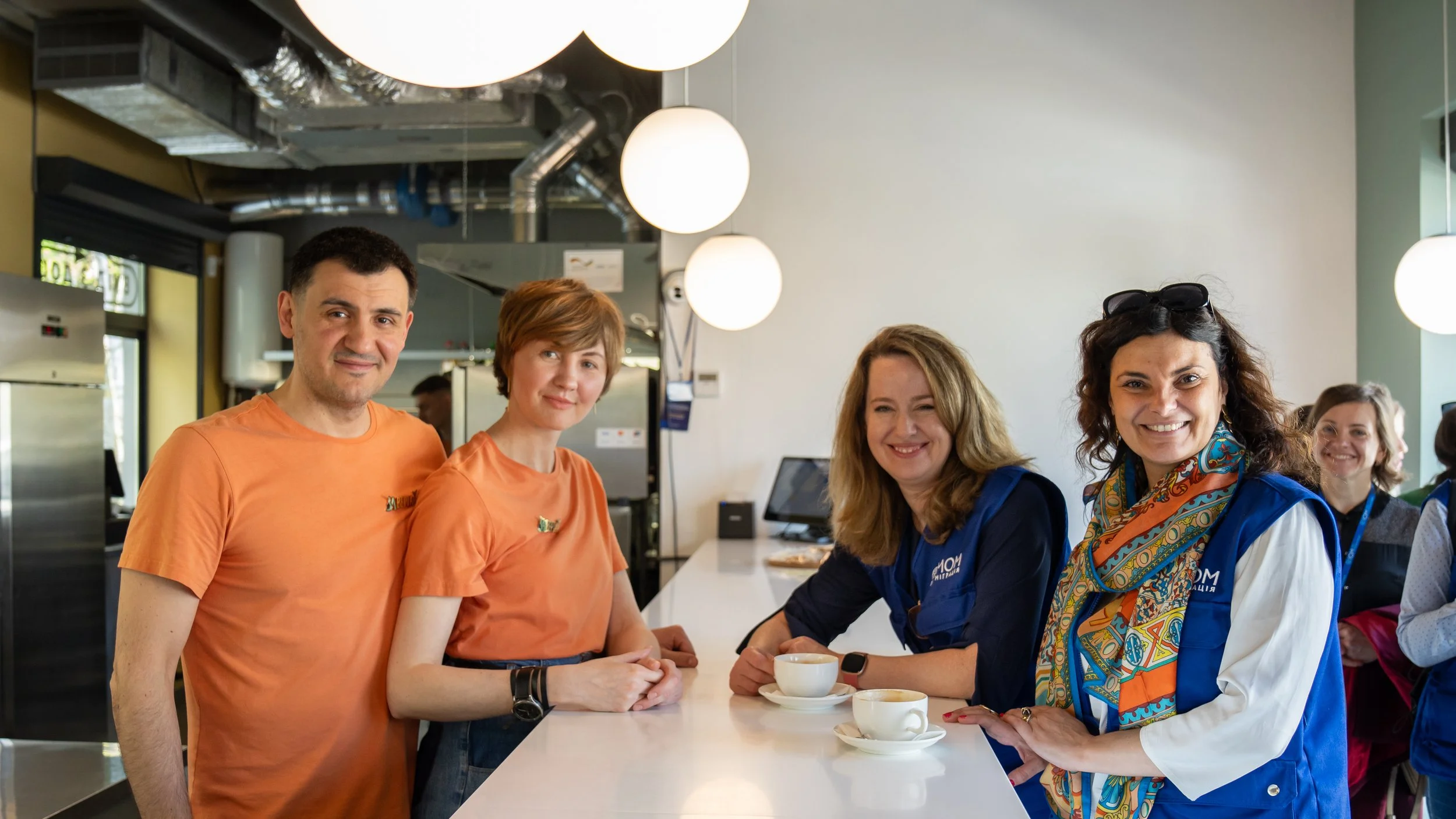
Director General Amy Pope and IOM Ukraine Chief of Mission Alessia Schiavon meet an internally displaced family who opened Завертай (Zavertai), a sandwich shop in Bucha—just two years after the attack on the town. In a remarkable sign of recovery, despite the violence that forced 26,000 people to flee, 90 per cent of Bucha’s residents have now returned.
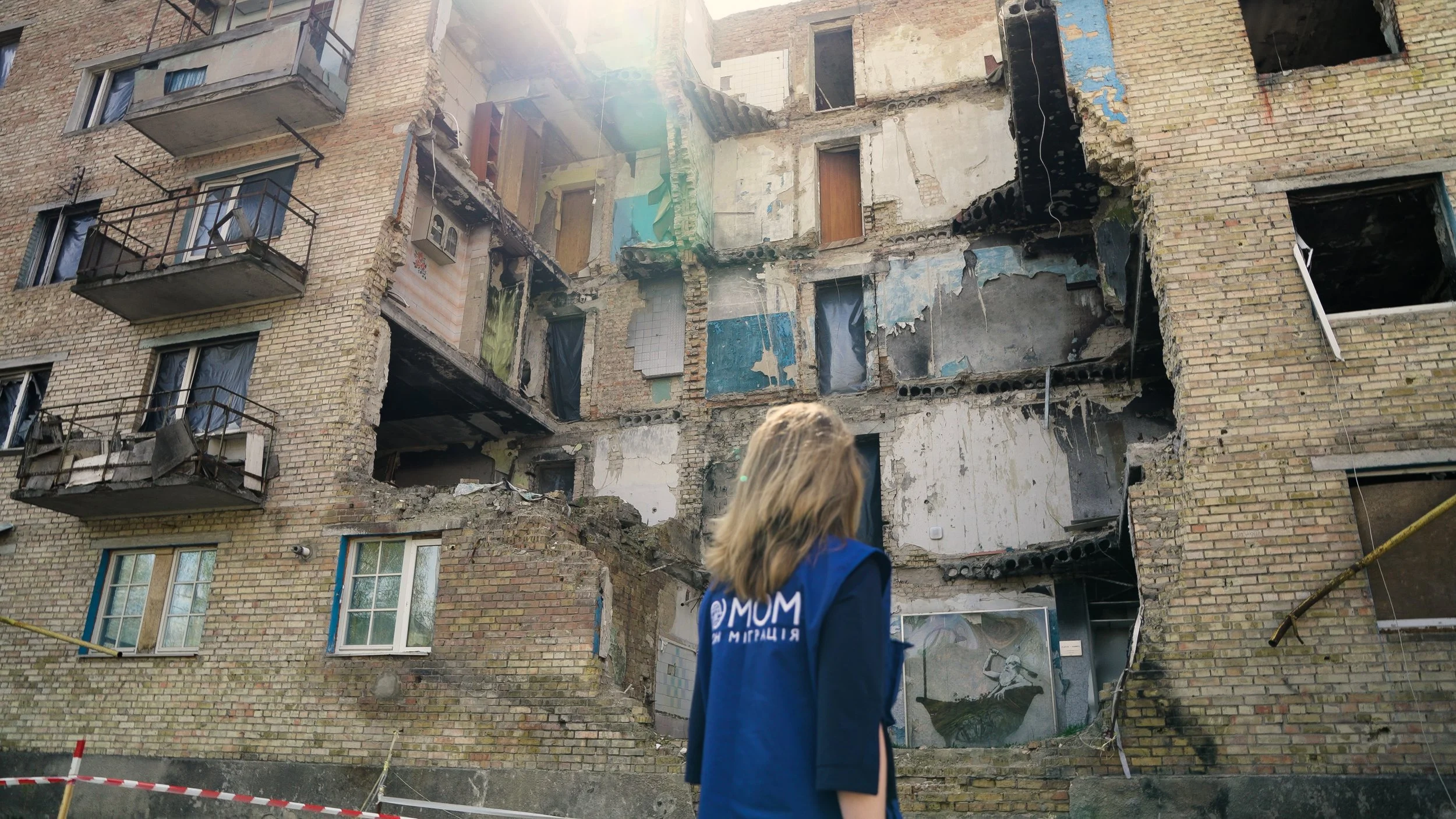
IOM Director General, Amy Pope, looks over the ruins of a housing complex in Bucha, which was hit by a missile strike in the early days of the war. 26,000 people fled Bucha within the inital days of the invasion. IOM is in Bucha and supporting recovery efforts—repairing housing, restoring utilities, and helping families return.
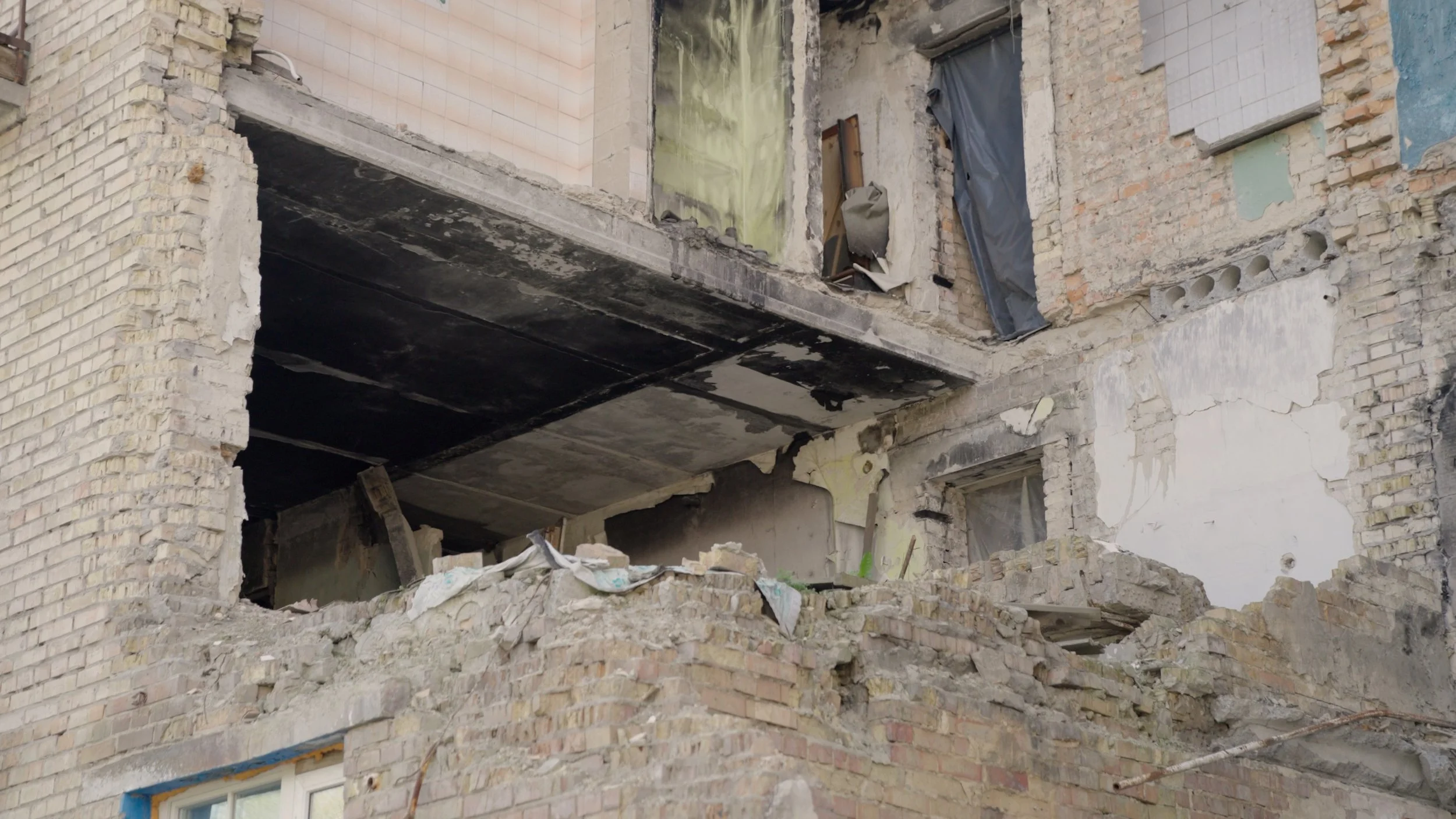
Close up of the ruined apartment block in Bucha.
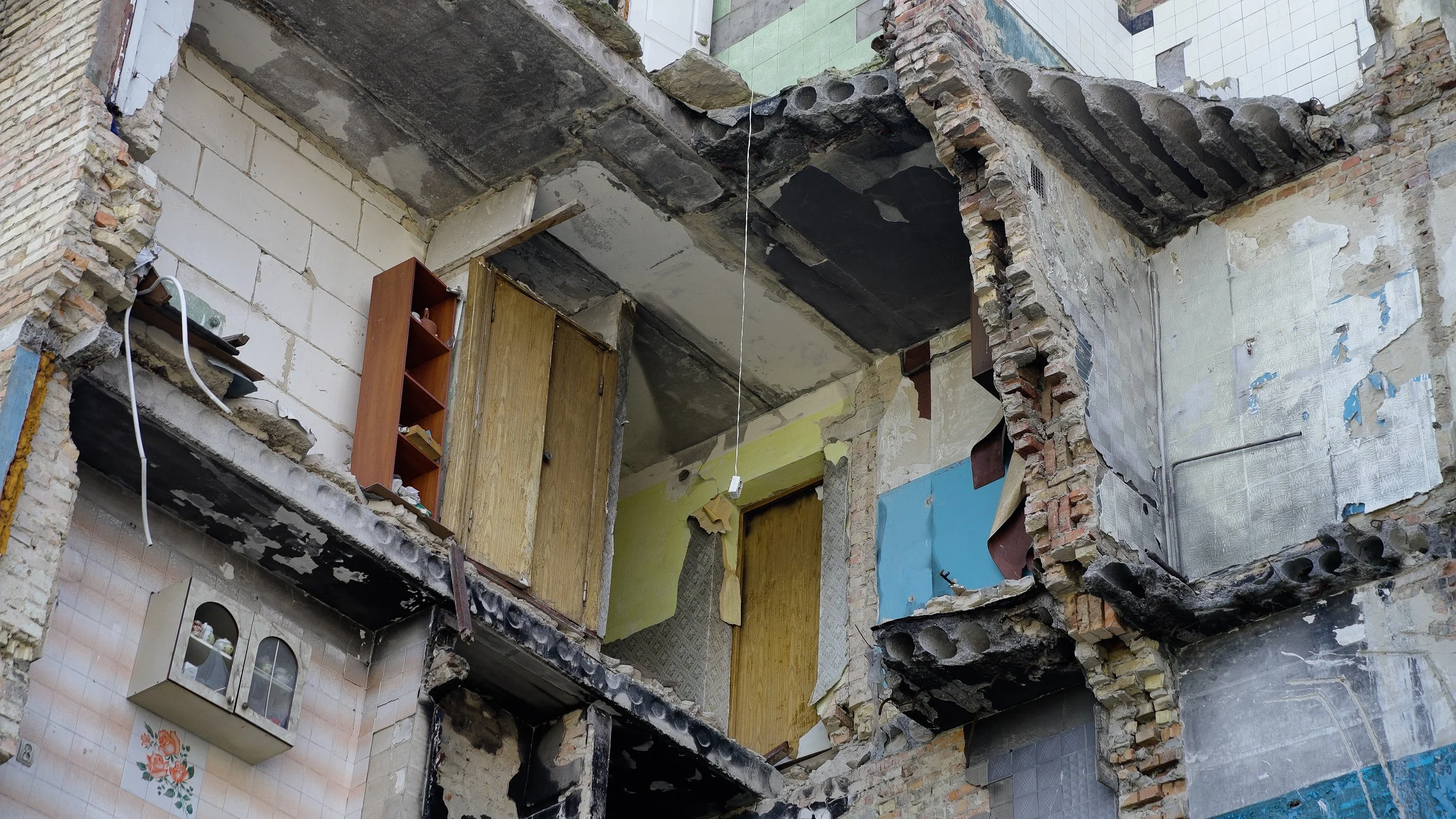
Close up of the ruined apartment block in Bucha.
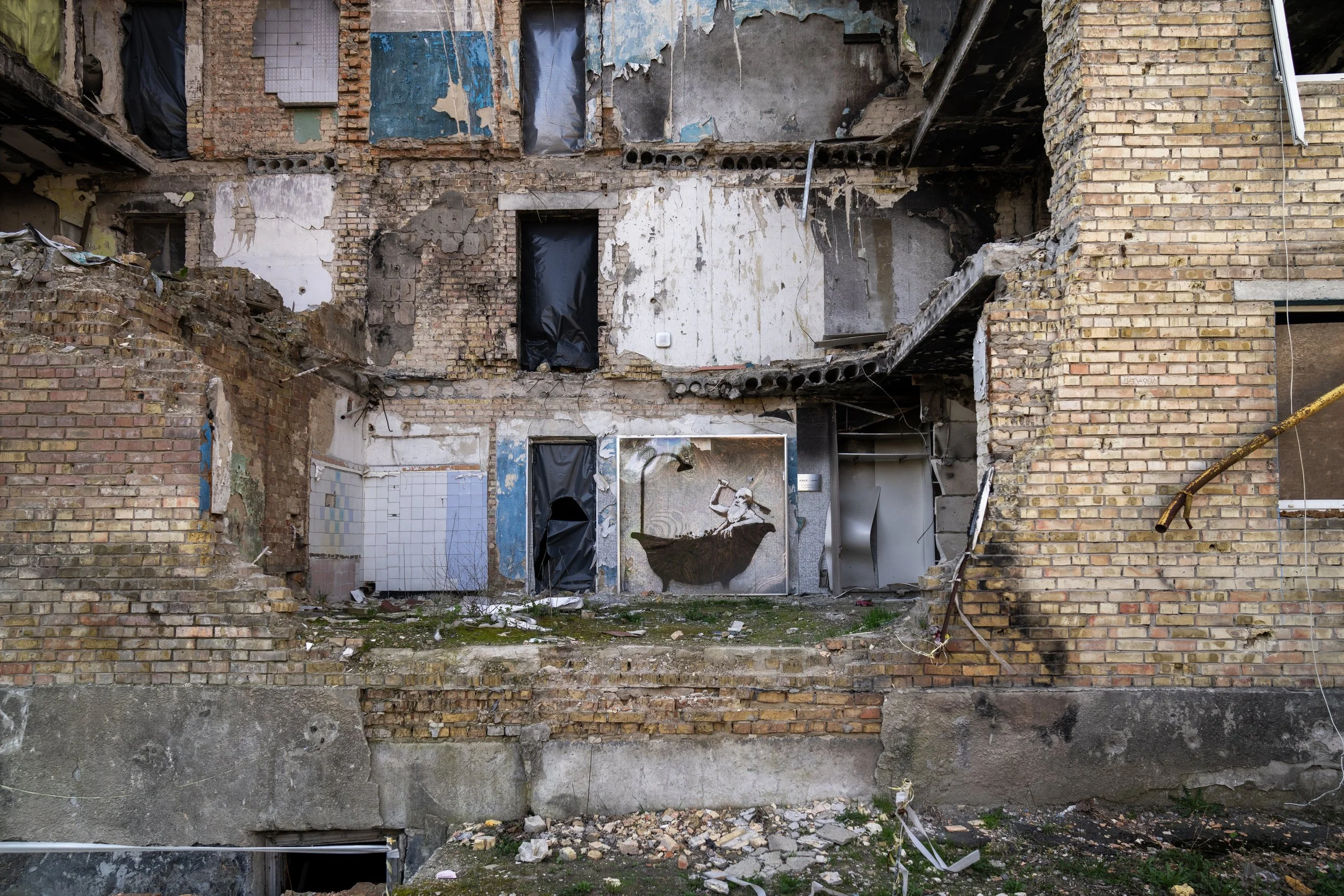
A Banksy artwork has been protected amongst the ruins of a housing complex hit by a missile strike.
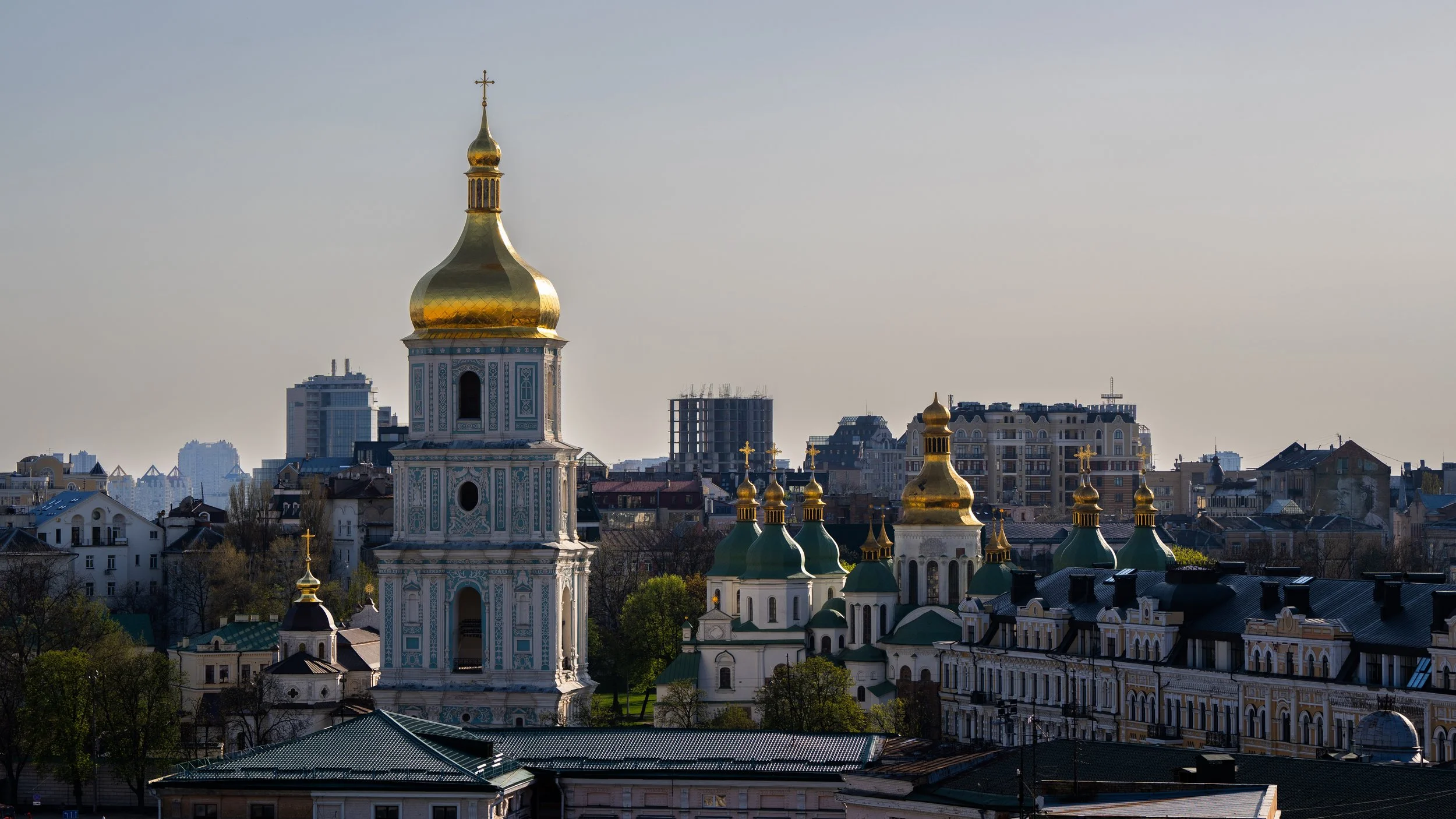
Though marked by bombardment, Kyiv has become a symbol of resilience. IOM works alongside its communities to repair housing, restore essentials, and support families determined to carry on.
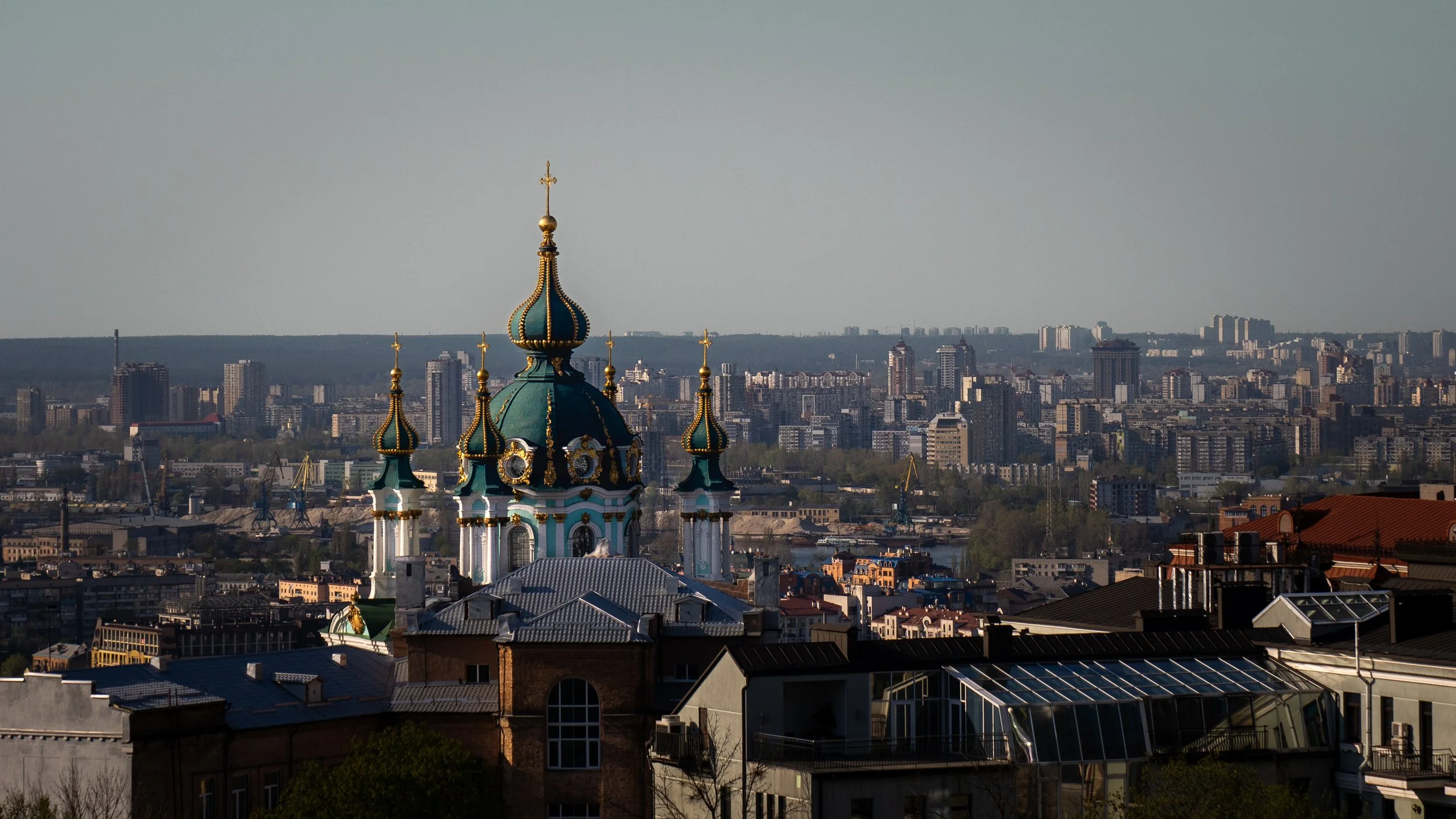
Though marked by bombardment, Kyiv has become a symbol of resilience. IOM works alongside its communities to repair housing, restore essentials, and support families determined to carry on.
In The Studio
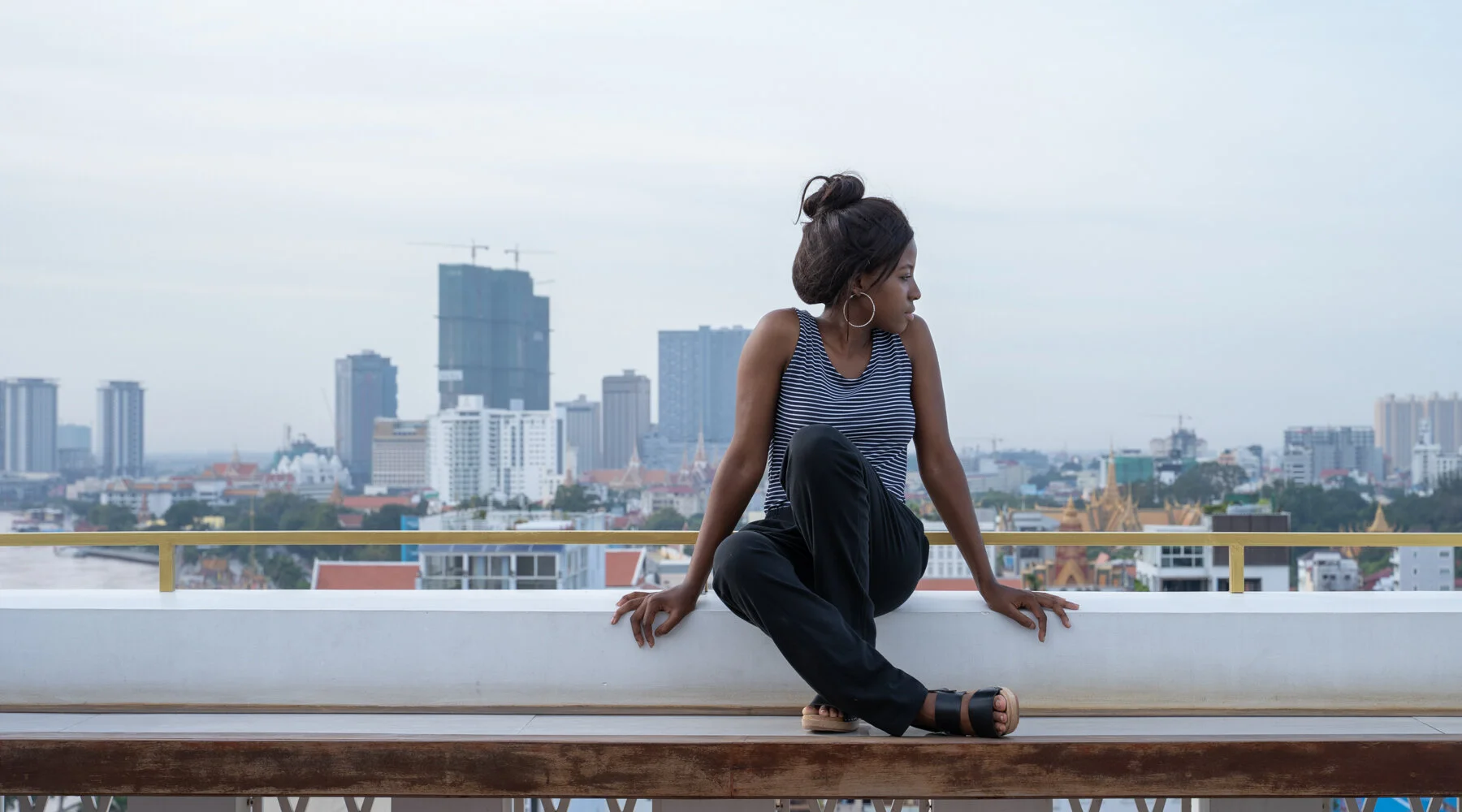
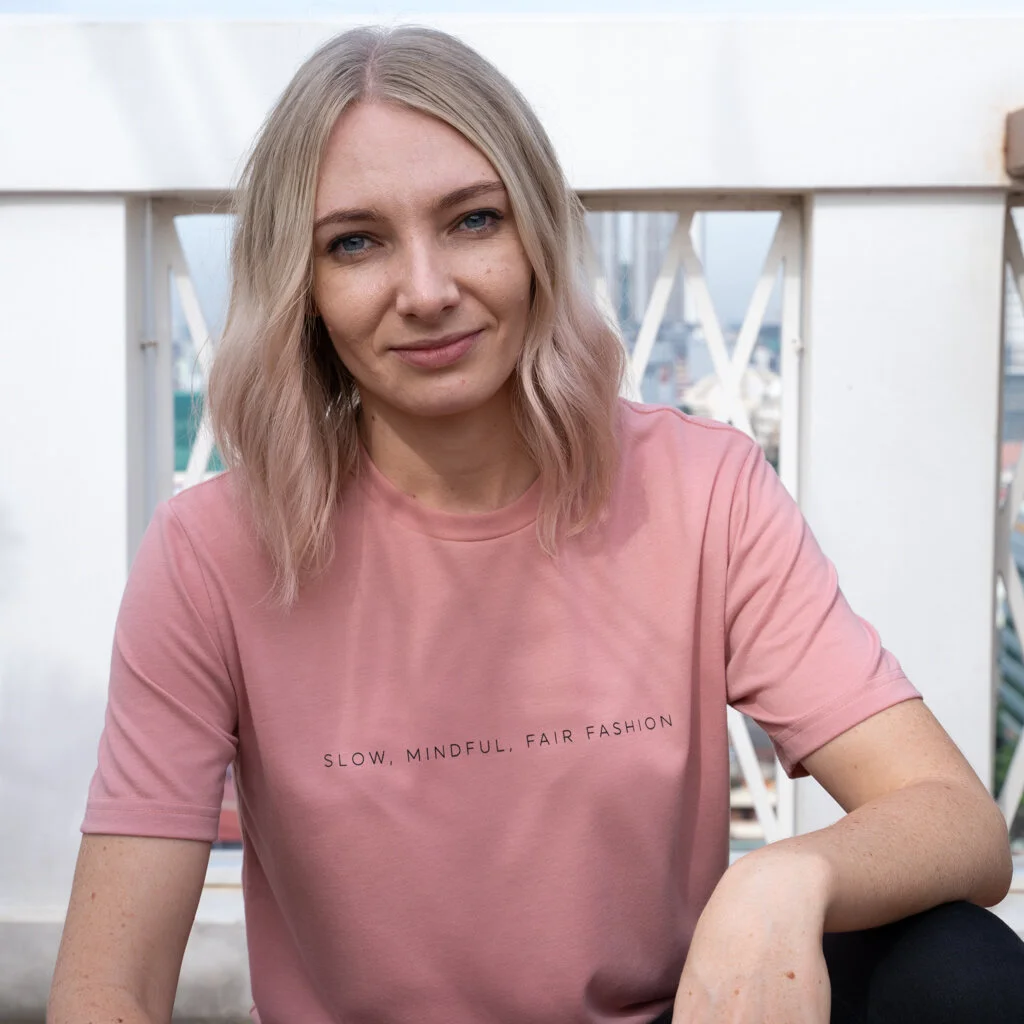
Strobe set ups for corporate, lifestyle and fashion.







PRODUCT Photograpy
The Brief: A Cambodian campaign promoting local Khmer fruits and vegetables, aiming to raise awareness and appreciation for the agricultural products of Cambodia. The phrase "ដាំដោយខ្មែរ" translates directly to "planted by Khmer". The campaign aims to support local farmers and celebrate the rich agricultural heritage of Cambodia.
Role: Art Direction, Studio Photographer, Editor
Planted By Khmer


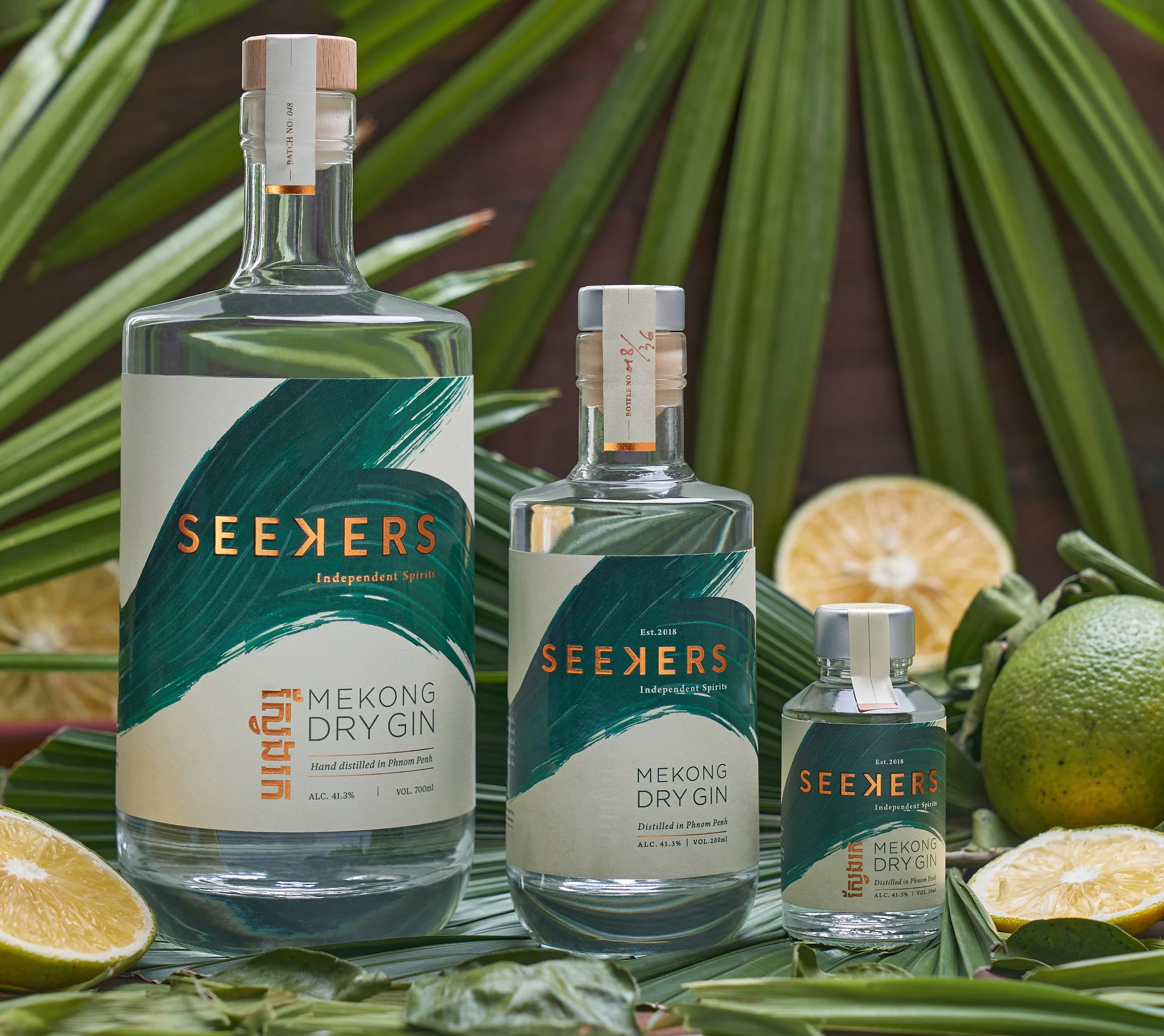
Seekers Gin
Product Photography
Role: Set design, Studio Photographer, Editing